REVIEW · PARIS
Musee d’ Orsay and l’Orangerie Combo With Seine River Cruise
Book on GetYourGuide →Operated by Get Paris Tours · Bookable on GetYourGuide
Paris turns into art class fast. This combo stacks Musée d’Orsay, Musée de l’Orangerie, and a classic Seine River cruise into one 5-hour hit—so you see major Impressionist moments without wasting a day on logistics. I like that the route also includes sculpture by Rodin alongside the big-name painters, and you get a cruise view of Paris landmarks from the water.
My favorite part is how the art shifts in a smart way: you start with the rail-station drama of Orsay, then move to Orangerie’s calm setting and Monet’s Water Lilies. The possible drawback is timing and delivery—some people report audio-guide access and ticket details not matching what they expected, and the schedule between Orsay and Orangerie can feel tight if you want to linger.
Still, if you’re an art lover who also wants the Paris postcard sights, this format can be a very good value—when everything lines up. Just go in with a plan to verify your museum entry times and audio-guide setup before you settle in.
In This Review
- Quick hits for Orsay, Orangerie, and the Seine
- Musée d’Orsay: Impressionism in a converted railway station
- Musée de l’Orangerie and the Water Lilies in the Tuileries Garden
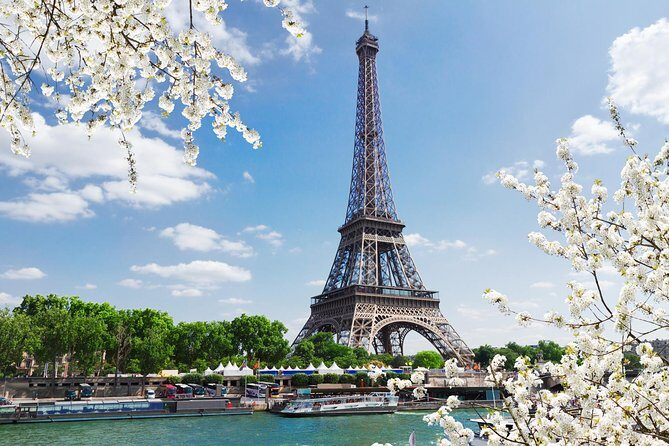
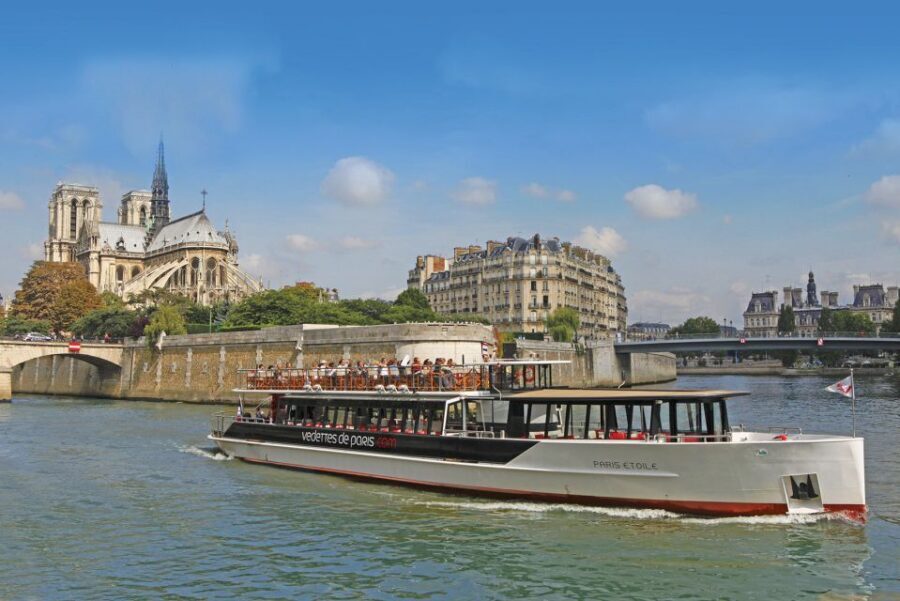
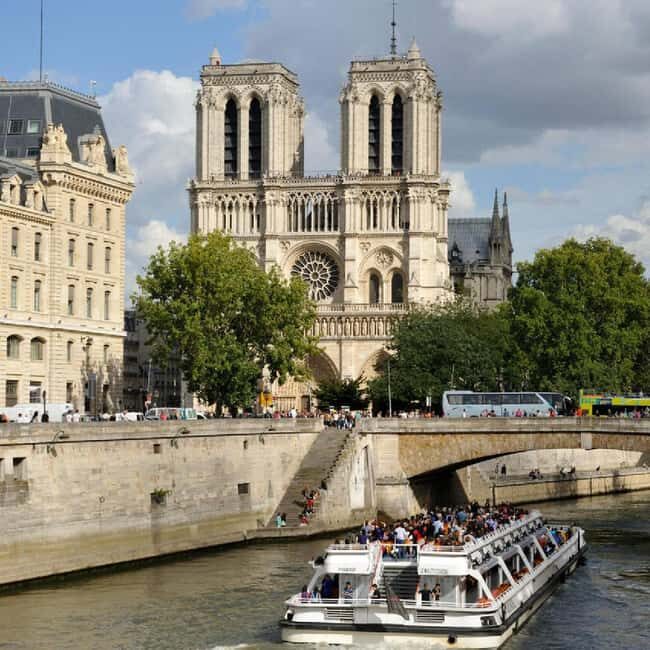
- The 1-hour Seine cruise: Eiffel Tower, Notre-Dame, and the Louvre from the water
- Timing and the 5-hour reality check
- What you get for about $103: value when it clicks
- Audio guides and live commentary: a must-use tool
- Communication and the ticket-proof checklist before you go
- Who this combo suits best
- Should you book this Orsay + Orangerie + Seine combo?
- FAQ
- How long is the Musee d’ Orsay and l’Orangerie combo with Seine River cruise?
- Where does the tour take place?
- What does the tour cost?
- What’s included in the ticket?
- Is transportation included?
- Do you have to pay for the audio guide separately?
- What languages are available for the audio guide?
- Is there skip-the-line access?
- What should I wear or bring?
- What items are not allowed?
Quick hits for Orsay, Orangerie, and the Seine
- Orsay’s Impressionist-to-Post-Impressionist lineup includes major names like Monet, Renoir, Van Gogh, plus Rodin sculptures
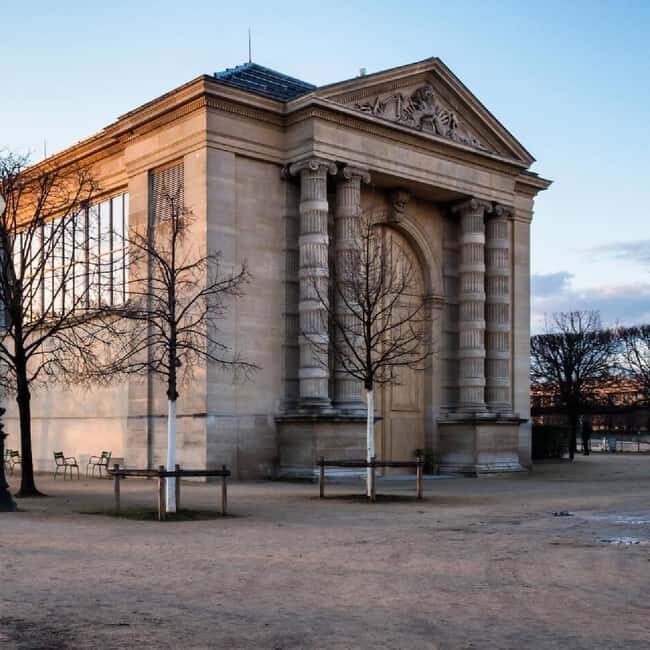
- Orangerie + Monet’s Water Lilies in the Tuileries Garden setting, with a slow, light-and-color experience
- A 1-hour Seine cruise for Eiffel Tower, Notre-Dame, and Louvre views from the boat
- Audio guides in many languages plus live commentary, so you’re not just looking at labels
- Five hours is short for two major museums, so it’s best if you’re okay with a guided highlights pace
Musée d’Orsay: Impressionism in a converted railway station
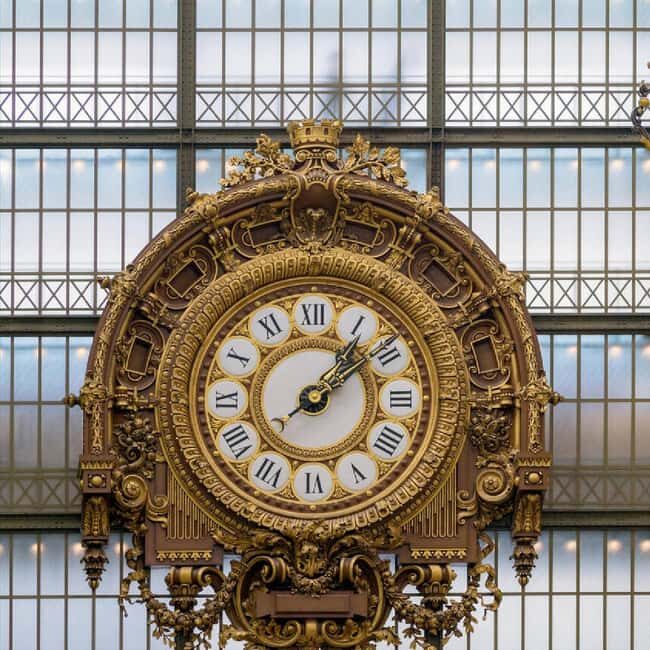
Orsay is the kind of place that makes you sit up. The building used to be a railway station, and that industrial scale still shows up in the main spaces, which makes the galleries feel extra dramatic. If you care about why Impressionism happened and how it evolved into Post-Impressionism, Orsay is one of the best museums in Paris for that story.
What you’ll focus on here is the core sweep of the style: the Impressionist and Post-Impressionist works that helped change modern art. The tour experience is built around seeing key paintings by Monet, Renoir, and Van Gogh, plus sculpture by Rodin. That mix matters. Many museum days force you to choose one lane. Here, you get painting and sculpture in the same flow, which helps you compare how artists were thinking about light, movement, and form.
Practical tip: Orsay can tempt you to stop at every wall. You’ll get the most out of this combo if you mentally choose what to prioritize. I’d treat Orsay like a greatest-hits set: get your must-see pieces, then allow a little wandering. If you’re the type who needs to read every label and sketch every room, your time may feel cramped once you add Orangerie.
Other museum & seine combos we've reviewed on the Seine & in Paris

Musée de l’Orangerie and the Water Lilies in the Tuileries Garden
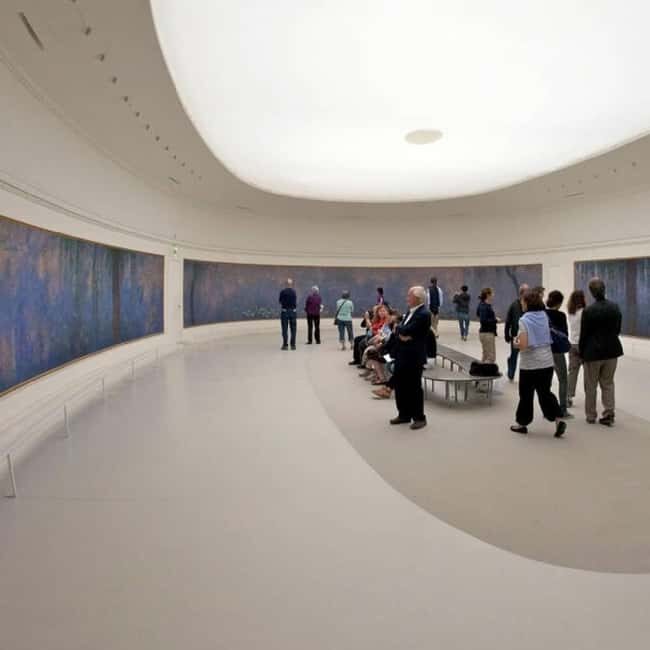
After Orsay’s big museum energy, the move to Orangerie is like turning down the volume. Orangerie sits in the Tuileries Garden area, and the setting helps your brain switch from busy museum mode to more contemplative viewing.
This is where Monet’s Water Lilies takes the spotlight. The tour experience is centered on those monumental canvases and the way the light and color shift across the series. Even if you think you already know Water Lilies, seeing the scale in person changes the feeling completely. It’s not a quick glance artwork. The point is time—time for your eyes to adjust and for the color to start doing its thing.
Why this stop is a big deal: Orangerie isn’t just a collection. It’s a designed viewing experience, and it’s one of the most famous places in Paris to slow down. The tour format helps because you’re not trying to figure out the order yourself. You just show up and follow the plan.
One consideration: Orangerie is best when you can settle for a bit. If your day feels rushed, you’ll still see the work, but you won’t get the full effect. So if your goal is the meditative feel, keep your expectations realistic about the total 5-hour window.
The 1-hour Seine cruise: Eiffel Tower, Notre-Dame, and the Louvre from the water
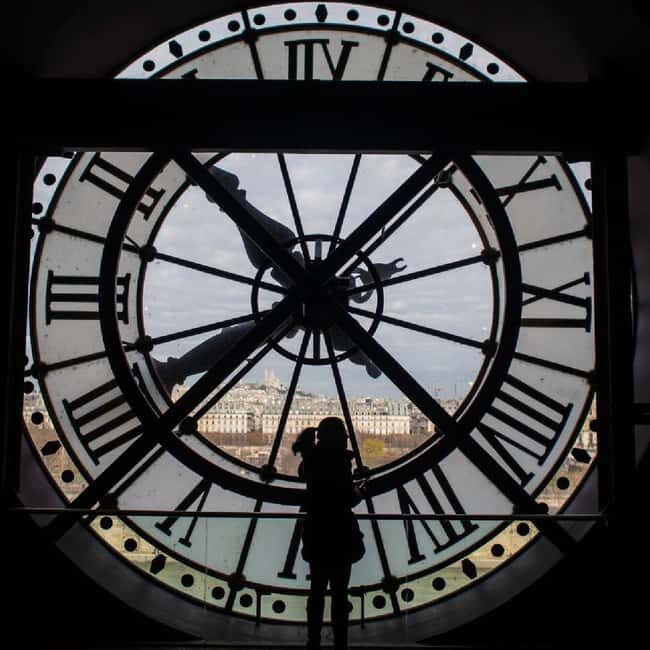
The cruise is the release valve. After two museum stops, you get an easy win: sit back, look outward, and let Paris roll by at a gentle pace. This portion is 1 hour, and it’s planned to give you panoramic views of major landmarks along the river.
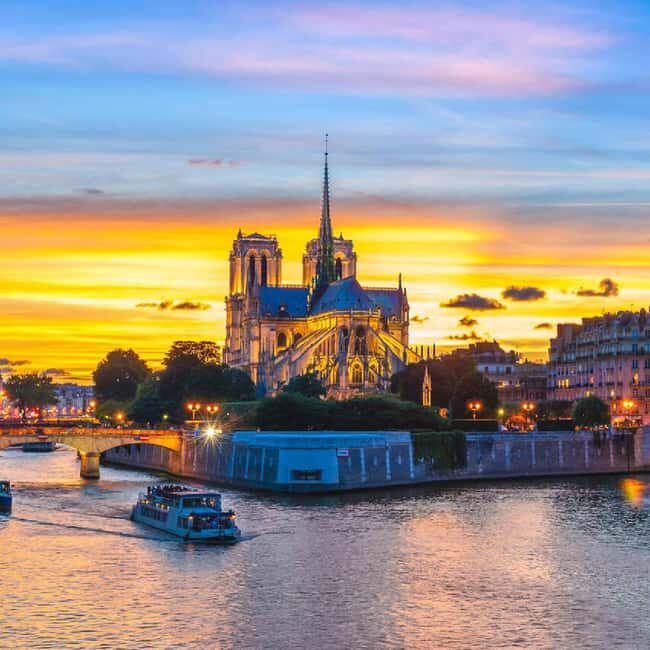
You should expect sightlines toward the Eiffel Tower, Notre-Dame Cathedral, and the Louvre. Those names are tourist shorthand, yes—but from the water, they land differently. The river gives you long angles and height relationships you don’t get on the sidewalk, and you’re less likely to feel trapped in street-crowd geometry.
What I like about including the cruise here: it turns the art day into a full sensory loop. Museums are visual and quiet. A river boat adds movement, sky, and the sense of being part of the city. It’s also a nice way to keep energy steady, especially if your feet are tired after Orsay.
Small reality check: a 1-hour cruise is not a half-day activity. It’s more like a scenic intermission than a deep itinerary. So treat it as part of the combo’s value—nice views, not a replacement for a longer Seine outing.
Timing and the 5-hour reality check
This combo is labeled as a 5-hour experience, which is fair on paper but worth respecting in practice. You’re combining two major museums plus a cruise, and the day will run at a guided highlights pace.
Here’s what that usually means for your experience:
- You’ll likely spend more time in the main highlights than in side rooms.
- You may need to move between Orsay and Orangerie with fewer opportunities for detours.
- If you want long hangs—especially at Orangerie—you’ll want to avoid getting stuck reading every detail wall-by-wall.
The other timing issue to watch is museum entry management. Some visitors have reported needing to reserve time slots for Orangerie and running into availability problems close to the date. You don’t need to panic, but you do need to plan smart: confirm your assigned time windows before you commit to a full sit-down pace inside either museum.
My practical advice: go in with a short list. Decide what matters most to you at Orsay (for example, Monet/Renoir/Van Gogh and Rodin), then commit to giving Orangerie your full attention for Water Lilies. If you do that, you’ll feel like the day was worth every minute.
What you get for about $103: value when it clicks
The price is about $103 per person for the full combo. Transportation and a host/guide are not included, so you’re paying for entry access, the audio layer, and the river cruise plan.
Included elements you should expect:
- Access to Orsay’s temporary and permanent exhibitions
- Access to Orangerie’s temporary and permanent exhibitions
- Audio guide on both museums (with multiple language options)
- 1-hour Seine River cruise
- Live commentary
That’s a solid package in theory because you’re stacking three premium experiences: two of Paris’s best art stops and a guided cruise with landmarks. Audio guides also matter. When the explanations match the rooms you’re in, you get context fast instead of just staring at masterpieces hoping your brain catches up.
Where value can slip: when audio-guide delivery or scheduled timing is unclear on the day. A couple of past experiences have pointed to problems like audio guide access not being provided as expected and tickets arriving late, which can waste your museum time. If that happens, you’re still looking at great art—but the experience becomes more stressful and less seamless.
So here’s how I’d judge value before booking: if this plan works cleanly for your time slot and audio setup, it’s a high-effort day that packs in a lot. If you strongly need a perfectly managed schedule and zero surprises, you may want more flexible backup planning.
Other boat tours in Paris




Audio guides and live commentary: a must-use tool
Audio guides can make or break a museum visit, and this tour includes them across many languages. You can choose from French, English, German, Spanish, Italian, Portuguese, Russian, Japanese, Chinese, and Korean.
Here’s how to use them well:
- Start early in Orsay and listen in the first galleries so the style changes make sense.
- At Orangerie, switch to a slower pace. If you listen continuously, your brain tends to process faster than your eyes. Use the audio to guide what you’re seeing, then pause and watch the color shift.
- On the cruise, listen for the landmark context so the views tie to history and placement.
Live commentary adds another layer. It’s especially useful when you’re moving between two museums with different “art beats.” It helps you connect Orsay’s Impressionist foundations to Orangerie’s more reflective mood.
One caution: audio delivery problems are mentioned by some visitors. That doesn’t mean audio will fail for you, but it does mean you should show up ready to resolve issues on-site quickly. If your audio won’t start, ask right away rather than later in the day when you’ve already lost your momentum.
Communication and the ticket-proof checklist before you go
Even the best museum combo can feel frustrating if the pre-trip communication is weak. Some visitors have described delayed ticket delivery and needing to contact the company while already at the museum, which eats into your viewing time.
To protect your day, do this before you leave:
- Confirm your museum time window details the day before (and again the morning of, if you can).
- If you’re told you need time slots at Orangerie, verify that your slot is actually secured.
- Bring a screenshot or digital copy of whatever entry instructions you have, not just the booking confirmation.
Also, arrive with your expectations clear:
- Orsay has skip-the-line access included, which is great—but you still want to be ready at check-in points.
- Orangerie may be more time-sensitive, so you don’t want to wander too long before you’re lined up.
This is one of those tours where being slightly organized upfront can turn a stress-prone day into a smooth one.
Who this combo suits best
This is the kind of itinerary that matches certain travel styles really well.
You’ll likely enjoy it if you:
- Love Impressionism and Post-Impressionism and want a focused route
- Want Monet’s Water Lilies without spending hours planning museum logistics
- Like Paris landmarks but prefer seeing them with a calmer, scenic angle from the river
- Appreciate audio guidance in multiple languages
You might feel less happy if you:
- Need lots of free roaming time inside museums
- Want to spend a long session reading and analyzing every room
- Get easily stressed by schedule tightness or last-minute changes
Also, note the tour rules: no pets and no luggage or large bags. Wear comfortable shoes and plan for walking between stops. This won’t be the day for stiff boots or heavy bags.
Should you book this Orsay + Orangerie + Seine combo?
I’d book this combo if your priority is a high-impact art-and-sights day with audio guides, a live commentary layer, and a 1-hour Seine reset between museums. The museum selection is strong—Orsay’s major Impressionist/Post-Impressionist core and Rodin additions, then Orangerie’s Water Lilies—so you’re getting the kind of Paris art hits people actually talk about.
But I wouldn’t book it blindly if you absolutely need flawless, no-questions scheduling or if you know you’ll be very sensitive to rushed museum pacing. Because when audio access or timing details go sideways, the value drops fast.
My deciding checklist:
- Do you have a flexible mindset for a highlights-style pace?
- Are you willing to verify your museum time windows ahead of time?
- Do you want the cruise views as a bonus, not the main event?
If yes, this is a worthwhile way to stack three iconic experiences into one efficient 5-hour plan—and the art alone is reason enough to make room in your Paris days.
FAQ
How long is the Musee d’ Orsay and l’Orangerie combo with Seine River cruise?
The duration is 5 hours, including museum time and a 1-hour Seine River cruise.
Where does the tour take place?
It’s in Ile-de-France, France, covering Musée d’Orsay, Musée de l’Orangerie, and the Seine River.
What does the tour cost?
The price is listed as $103 per person.
What’s included in the ticket?
You get access to Orsay and Orangerie exhibitions, audio guides on both museums, live commentary, and a 1-hour Seine River cruise.
Is transportation included?
No. Transportation isn’t included.
Do you have to pay for the audio guide separately?
No. An audio guide is included as part of the tour.
What languages are available for the audio guide?
Audio guides are available in French, English, German, Spanish, Italian, Portuguese, Russian, Japanese, Chinese, and Korean.
Is there skip-the-line access?
Yes, the tour includes skip the ticket line for Orsay.
What should I wear or bring?
Bring comfortable shoes and comfortable clothes.
What items are not allowed?
Pets are not allowed, and luggage or large bags are not allowed.