REVIEW · PARIS
Paris at the First Lodges – Ducasse sur Seine dinner cruise
Book on Viator →Operated by CITYFLOATING DEBILLY · Bookable on Viator
A Seine cruise at dinner time turns landmarks into moving theatre. I really like the guaranteed window placement—it keeps the view front and center—and I also love the Ducasse-style multi-course dinner approach for a night that feels special without feeling endless.
The main thing to watch for is pacing and extras: service is usually smooth, but the meal can run later than expected, and drinks are not included, so you’ll want to plan for that if you’re ordering champagne or still water.
This is a small-group style outing too (max 9), so it tends to feel less like a factory ride and more like a calm Paris evening.
In This Review
- Key highlights at a glance
- Getting on board: Port Debilly, timing, and what 2 hours feels like
- The food experience: 4 vs 5 courses and how it affects the vibe
- Window seats on the Seine: why this matters more than you think
- The sights along the route: what you’ll notice at each stop
- Trocadéro and Palais de Chaillot: the Eiffel Tower’s best warm-up
- Eiffel Tower (Dame de Fer): the moment the night really turns on
- Les Invalides and Napoleon’s Dome: where power meets architecture
- Musée d’Orsay: the former train station that turned into art
- Saint-Germain-des-Prés: a neighborhood vibe, not just a postcard
- Notre-Dame de Paris: iconic, and still complicated
- Jardin des Plantes: a calmer stretch of city life
- Hôtel de Ville (Mairie de Paris): city government in a grand setting
- Louvre Museum and its glass pyramid: the art world’s front door
- Place de la Concorde: wide-open space and a big obelisk
- Grand Palais: the exhibition hall vibe, even at rest
- How the night actually runs: service, screens, and small surprises
- Value for the price: what you’re paying for besides the meal
- Who this cruise suits best (and who should skip it)
- Quick essentials before you book
- Should you book Paris at the First Lodges: Ducasse sur Seine?
- FAQ
- How long is the dinner cruise?
- What time does it start and where do I meet?
- Is the meal included, and what kind of dinner is it?
- Are drinks included in the price?
- Do I get a window seat?
- Is the tour offered in English, and how many people are on the boat?
- What happens if the weather is poor?
Key highlights at a glance
- Guaranteed window seats for the best viewing angle over the river
- 4 or 5 course dinner (your choice affects the length and feel of the meal)
- A classic night route past Eiffel Tower, Notre-Dame, and major museum fronts
- English-speaking experience with a mobile ticket for easier check-in
- Small group size (up to 9) for a more relaxed atmosphere
Getting on board: Port Debilly, timing, and what 2 hours feels like
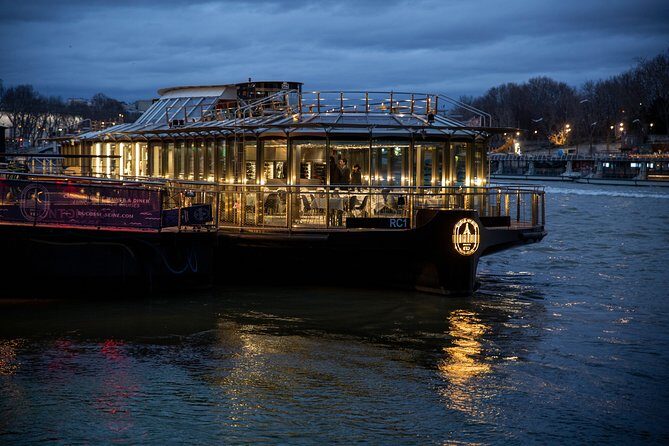
This is a compact evening cruise—about 2 hours—starting at 7:30 pm from 19 Port Debilly (75116). I like the simplicity of that start time: it fits neatly between your day plans and a final “Paris at night” moment.
The biggest practical tip is timing. You’ll want to arrive at least 20 minutes early and be ready to board. The tour ends back at the same meeting point, so you’re not solving transport puzzles at the end of the night.
Also, plan around dress code. Proper attire is required, which usually means smart-casual. If you’re coming straight from sightseeing in jeans and a hoodie, consider whether you’ll be comfortable upgrading your look a bit.
One more logistics note: drinks are not included. That’s normal for this kind of experience, but the menu can tempt you to add on champagne, wine, or coffee—so go in knowing you’re paying for more than just dinner.
Other dinner cruises we've reviewed on the Seine & in Paris
The food experience: 4 vs 5 courses and how it affects the vibe
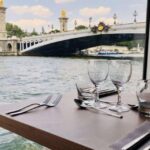
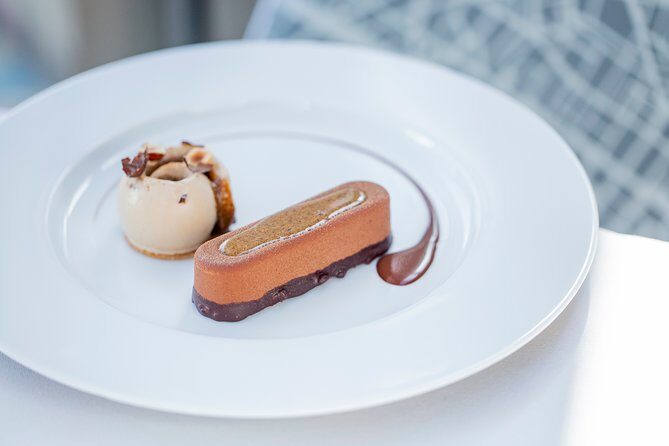
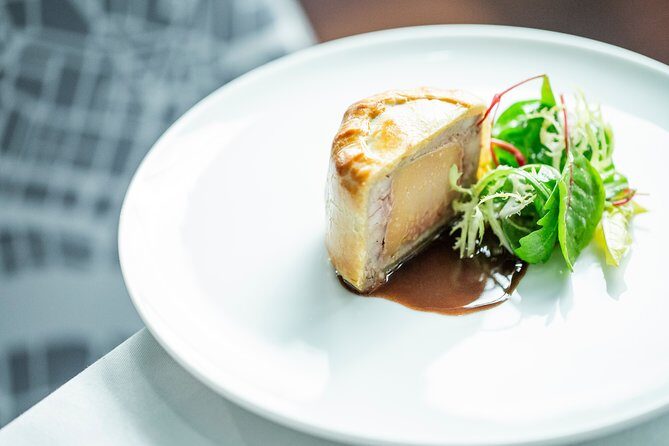
The cruise includes a premium 4 or 5 course dinner depending on the option you choose. In my view, the value is less about the “number of courses” and more about the pacing. A well-structured tasting meal fits the river rhythm: you eat, you look, you eat again, and the lights keep changing.
From the experience, the meal is meant to feel refined, and the service usually aims to stay attentive without hovering. That balance matters on a ship—too much fuss and you lose the view; too little and you’re stuck waiting when you want a top-up or the next course.
There are a couple of things you should be aware of. Sometimes the kitchen timing slips, and the main course can arrive later than ideal. If you’re the type who hates waiting, the earlier you arrive and the less rushed your expectations are, the smoother the night feels.
Also, a key detail: the cruise experience doesn’t include drinks, and it can help to confirm what’s included versus what’s billed when you sit down. On one evening, that distinction wasn’t clear right away for some diners, especially around items like bottled water or champagne.
Window seats on the Seine: why this matters more than you think
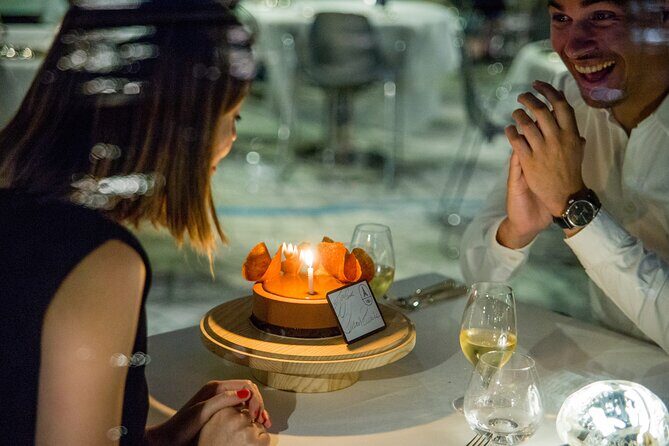
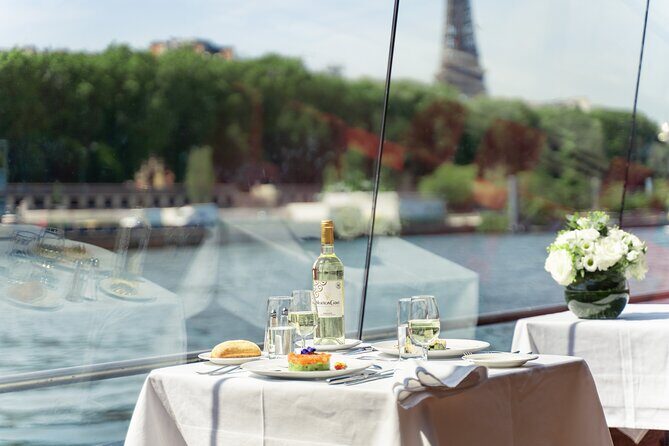
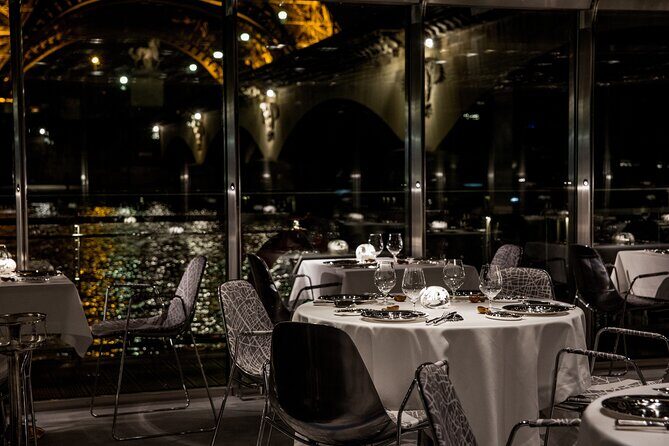
The standout comfort feature here is guaranteed window placement. On many dinner cruises, “window seats” are a gamble. Here, you avoid that gamble, which makes a huge difference when you’re paying a premium price.
What you gain is a calmer viewing experience. Instead of craning for photos from a narrow aisle, you can sit, eat, and watch major landmarks glide past outside the glass. It’s also easier to keep track of the route—especially at night, when everything blends together unless you know what you’re looking at.
And since this is a small group (max 9), you’re less likely to feel like the boat is packed with people blocking sightlines. You can still talk and stay comfortable, rather than competing for angles.
The sights along the route: what you’ll notice at each stop
This itinerary is built around a classic Paris night loop: landmarks near the water, major museum fronts, and a few neighborhoods that tell you where the city’s “real life” happens. You won’t just see icons—you’ll see them in a sequence that makes their geography click.
Trocadéro and Palais de Chaillot: the Eiffel Tower’s best warm-up
The route starts with Trocadéro and the Palais de Chaillot. Even if you’ve seen photos a thousand times, this is where Paris sets the tone. It’s the kind of overlook that makes the Eiffel Tower feel designed for the skyline, not placed there by accident.
From the river, it’s a “context” moment. You’re not yet at the tower; you’re building the mental map.
Eiffel Tower (Dame de Fer): the moment the night really turns on
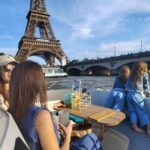
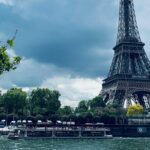
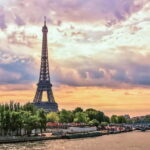
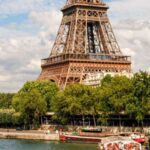
Next up is the Eiffel Tower, known as Dame de Fer. At night, the tower’s lighting becomes the centerpiece. The view from the Seine changes as you move—so it’s not a single look; it’s a sequence of angles.
Drawback to expect: the earlier part of your cruise might feel like anticipation. If you want the absolute peak lighting, stay patient through the first part of the route.
Les Invalides and Napoleon’s Dome: where power meets architecture
Then you pass Les Invalides, the military history complex, and the dome that houses Napoleon’s tomb. This part reads differently by night: the stone feels weighty and formal, and the landmark looks almost ceremonial against the darker sky.
It’s a nice contrast to the flashy lights. It also helps you understand why Paris was built to be seen from multiple perspectives—not just street-level.
Musée d’Orsay: the former train station that turned into art
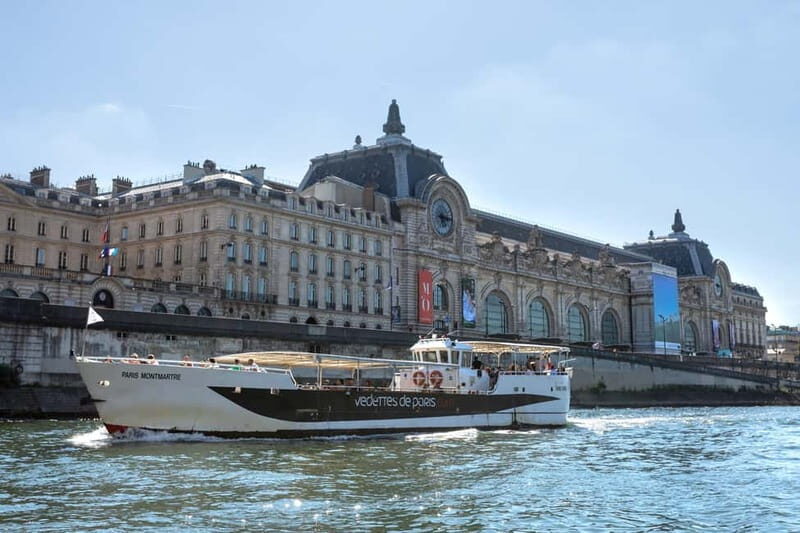
Musée d’Orsay sits in the old Gare d’Orsay building and focuses on French art—paintings, sculptures, and photographs. Even if you’re not stepping inside, the building’s shape is distinctive enough that you’ll clock it quickly.
This stop works well for first-timers because it gives you a “Paris timeline” feeling: the city kept the bones, then changed the purpose.
Saint-Germain-des-Prés: a neighborhood vibe, not just a postcard
The cruise also passes Saint-Germain-des-Prés, around the old abbey and famous for cafes and booksellers. On the river, it’s less about a single monument and more about atmosphere. This is where Paris feels like a lived-in city, not just a sightseeing list.
If you love people-watching and the idea of wandering into small streets after dinner, this is the part that sparks that urge.
Notre-Dame de Paris: iconic, and still complicated
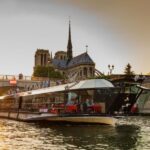
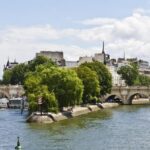
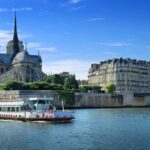
You’ll see Notre-Dame de Paris on Île de la Cité. The cathedral is one of the city’s most recognizable symbols, and from the Seine it’s framed like a centerpiece.
Practical note: the view is great, but it’s still a moving photo moment. If you want lingering time, you’ll need a separate daytime visit later.
Jardin des Plantes: a calmer stretch of city life
Next is Jardin des Plantes, the main botanical garden and home to the National Museum of Natural History. This is a softer visual beat—green space and institutional buildings—compared to the bigger tourist icons.
It’s a good reminder that Paris isn’t only architecture and museums. It’s science, gardens, and the slow side of the city.
Hôtel de Ville (Mairie de Paris): city government in a grand setting
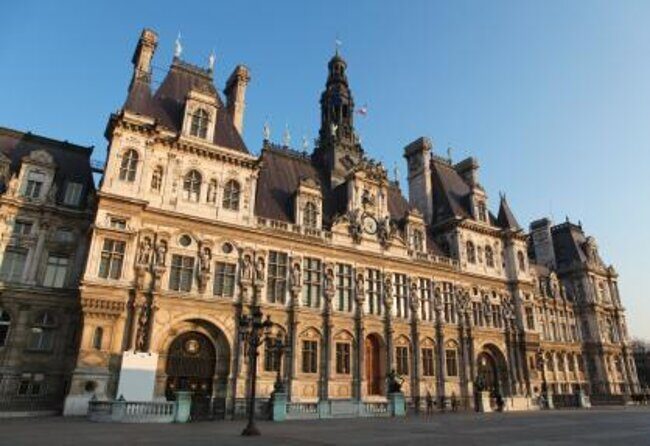
You’ll also pass Hôtel de Ville, the Mairie de Paris. It’s the kind of landmark that signals civic pride, and at night it tends to look crisp and official.
This is one of those “you’ll remember it later” sights because it adds texture to the route. Not every stop is meant to be the Eiffel Tower.
Louvre Museum and its glass pyramid: the art world’s front door
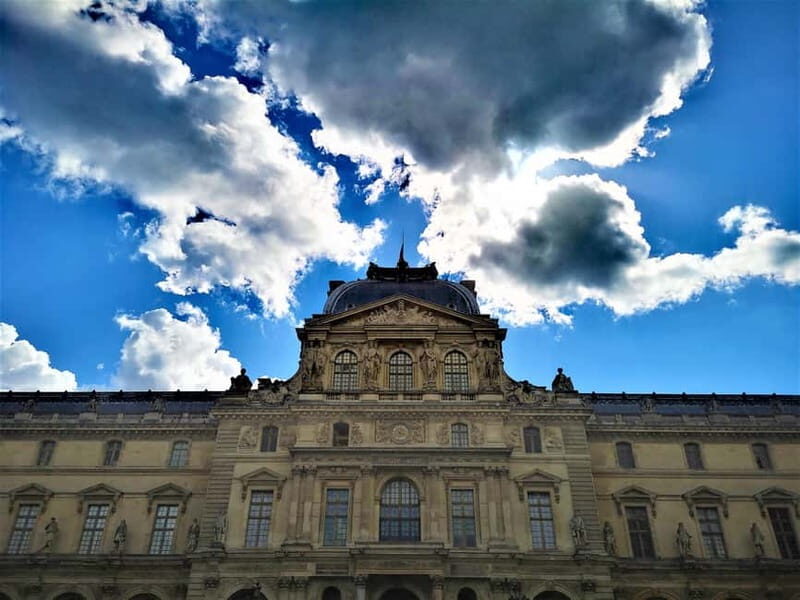
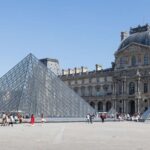
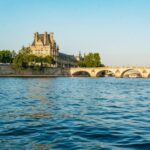
Then there’s the Louvre Museum with its glass pyramid. Even if you don’t plan to tour the inside today, the exterior is enough to make the art-world scale obvious.
Tip: if you’re planning a Louvre day trip later, seeing it at night helps you pick a direction for your first visit the next time you’re on foot.
Place de la Concorde: wide-open space and a big obelisk
The route continues to Place de la Concorde, the largest square in Paris, with the Luxor obelisk. From the river, the scale feels clearer—this is open space, not a tight street corridor.
It also gives you a change in visual rhythm. After so many buildings, open squares feel refreshing.
Grand Palais: the exhibition hall vibe, even at rest
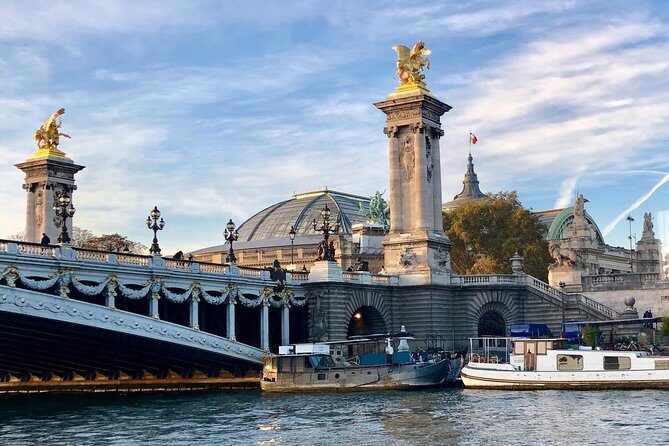
Finally, you’ll get Grand Palais, on the edge of the Champs-Élysées, which regularly hosts major exhibitions and fairs. At night, it reads like a theatre backdrop—big, formal, and built for crowds.
This ending stop helps the cruise feel complete. It’s a final “Paris events” moment before the boat returns to Port Debilly.
How the night actually runs: service, screens, and small surprises
For many people, the best part is how effortless it feels: you sit down, the course cycle moves along, and the city lights keep changing outside.
But there are a few real-world points worth mentioning so you’re prepared:
- Cell service can be weak on the boat, so if you’re using your phone to check receipts or clarify what you paid for, it may take longer than you expect once you’re on the water.
- Wine pairing can be a misunderstanding if the receipt details aren’t clear right away. If you choose a wine-pairing option, confirm it before you sit back and assume everything is automatic.
- In some cases, the meal can feel rushed near the end if the kitchen timing tightens or if the boat’s schedule is tight for docking. If you want a slow, lingering dinner, go with the calmer expectation.
None of that changes the core appeal, but it can shape whether the cruise feels “perfect” versus “good but a little stressful.”
Value for the price: what you’re paying for besides the meal
At $281.59 per person, this isn’t a bargain cruise. So I look at value in three practical buckets:
1) Time and logistics. You’re buying a built-in evening plan: start location, route, dinner sequence, and return. You don’t need to coordinate separate transportation or schedule museum stops.
2) Seat quality. The guaranteed window placement is the kind of perk that matters every minute. For a first trip to Paris, avoiding the seat lottery is worth real money.
3) Dinner format. A multi-course dinner is meant to be the event. If you enjoy a structured meal with pairing options, this can feel worth the splurge. If you’re expecting a casual meal, you may feel the cost more than the experience.
So if you want a “wow” Paris night with minimal hassle and you’re excited about a refined dinner, this price is easier to justify.
Who this cruise suits best (and who should skip it)
This cruise is a strong fit if you:
- want a romantic, landmark-heavy evening without sprinting between sights
- value window seating and a structured dinner
- prefer a smaller group setting (max 9)
You might reconsider if you:
- hate waiting for courses and need a strict dinner schedule
- expect drinks to be included (they’re not)
- plan to spend most of the evening scrolling or gaming your phone, since signal can be limited onboard
And one more season tip: if you’re doing it in peak daylight hours, the city lights might not feel fully “lit” at every point of the route. Going in when the sun sets earlier gives you more light-show payoff.
Quick essentials before you book
- Bring smart-casual attire. Proper dress is required.
- Arrive early—20 minutes before departure is the right mindset.
- If you’re selecting wine pairing, verify it on the receipt details when you check in or sit down.
- Budget for drinks, since they’re not included.
Should you book Paris at the First Lodges: Ducasse sur Seine?
I’d book this if you’re planning your first (or a return) trip to Paris and want one easy evening that checks the landmark boxes with guaranteed window views plus a serious multi-course dinner. It’s the kind of experience that makes Paris feel cinematic—especially when the Seine lights start to glow.
I’d think twice if you’re price-sensitive, don’t like premium add-ons, or you’re the type who gets annoyed by pacing changes. The experience can be excellent and refined, but it’s still dinner on a moving boat, with kitchen timing and on-water constraints.
If you want a “one night, many icons” plan that feels special from the first minute, this cruise is a very solid choice.
FAQ
How long is the dinner cruise?
It runs for about 2 hours.
What time does it start and where do I meet?
The cruise starts at 7:30 pm. You meet at 19 Port Debilly, 75116 Paris, France. The trip ends back at the meeting point.
Is the meal included, and what kind of dinner is it?
Yes. You get a premium 4 or 5 course dinner depending on the option you choose.
Are drinks included in the price?
No. Drinks are not included.
Do I get a window seat?
Yes. Guaranteed window placement is included.
Is the tour offered in English, and how many people are on the boat?
The experience is offered in English, and the maximum group size is 9 travelers.
What happens if the weather is poor?
This experience requires good weather. If it’s canceled due to poor weather, you’ll be offered a different date or a full refund.