REVIEW · PARIS
Paris Seine River Sightseeing Cruise with Commentary by Bateaux Parisiens
Book on Viator →Operated by SEVPTE (Bateaux Parisiens) · Bookable on Viator
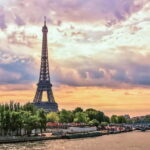
A Seine cruise makes Paris feel like a moving postcard. This one gives you clear English audio commentary plus front-row views of the Eiffel Tower and major landmarks. One thing to plan for: boarding can be slow during peak hours, so build in buffer time.
I like how flexible the departure is. You book your date, but you do not have to lock into a single time slot—you can pick what time you go that day, then show your voucher at the quay. That freedom matters when you’re juggling museum lines and timed entry tickets.
The cruise itself is also a smart way to rest your legs. You glide past big hitters like Notre-Dame and the Louvre without the stress of transit. Just keep your expectations realistic: it’s sightseeing by river first, not a guaranteed quiet or empty experience.
In This Review
- Key highlights you will actually care about
- A Seine Cruise That Hits the Big Sights in About 70 Minutes
- Boarding at the Eiffel Tower: Easy Start, Watch the Lines
- The On-Board Audio: How to Hear Paris Without Straining
- Outbound Highlights from Pont Alexandre III to the Musée d’Orsay Area
- Passing Pont Neuf and Notre-Dame: Bridges You’ll Want to Photograph
- Pont Marie Wishes, the Conciergerie, and the Louvre from the Waterline
- Glass-Cupola Views and the Bastille Stones Story by the Seine
- Night vs Day and Weather Reality (What Your View Will Actually Be Like)
- Value for $20.48: What You Get and What You Don’t
- Who This Cruise Fits Best
- Should You Book This Tour or Skip It?
- FAQ
- Where does the cruise depart and end?
- How long is the Paris Seine River Sightseeing Cruise?
- Do I have to pick a specific departure time slot?
- Is there audio commentary, and is English available?
- What major sights will I see?
- Are food and drinks included?
- What’s included with the ticket price?
- Is there a mobile ticket?
- What happens if the weather is poor?
- Can I cancel?
Key highlights you will actually care about
- Audio in 14 languages (English included), with earbuds optional since you can use the audio on board or your smartphone
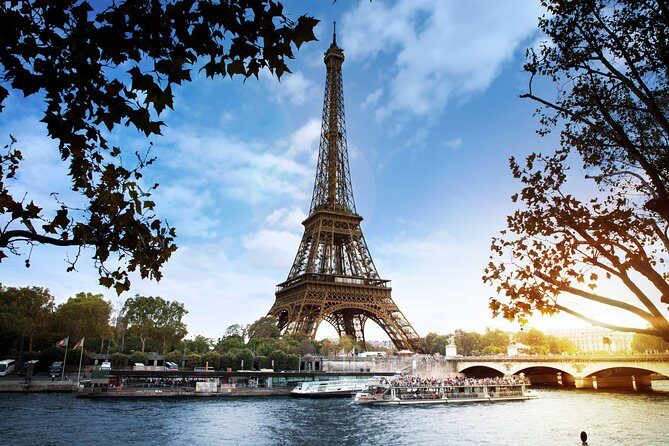
- Departure near the Eiffel Tower at Port de la Bourdonnais, so you can pair it with an Eiffel visit
- A half-hour outbound, then a turnback for a second look from the opposite bank
- Open views and famous bridges like Pont Neuf, Pont Alexandre III, and Pont Marie
- Iconic sights on the route including Notre-Dame, the Louvre, and the Musée d’Orsay area
- Value pricing for the sightline you get at about $20.48 per person
A Seine Cruise That Hits the Big Sights in About 70 Minutes
This is the classic Paris on-the-water option, and that’s for a reason. In roughly 1 hour to 1 hour 20 minutes, you cover a dense stretch of the city that would take you all day on foot (and cost you energy you might want for museums later).
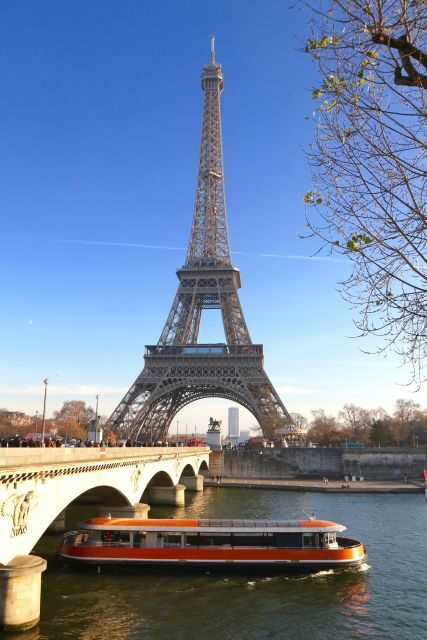
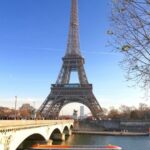
What makes it work is the layout of the cruise route. You head out from the feet of the Eiffel Tower, float along the Seine, then the boat turns around after about half an hour and comes back up along the opposite side. So even if you get only a few great photos on the first pass, you’ll likely catch a better angle on the return.
The result is a gentle introduction that still feels meaningful. You’re not just passing buildings—you’re reading the city as it changes along the riverbanks, including the UNESCO-designated stretch of water and quays that frames so many postcards.
Other sightseeing cruises we've reviewed on the Seine & in Paris
Boarding at the Eiffel Tower: Easy Start, Watch the Lines
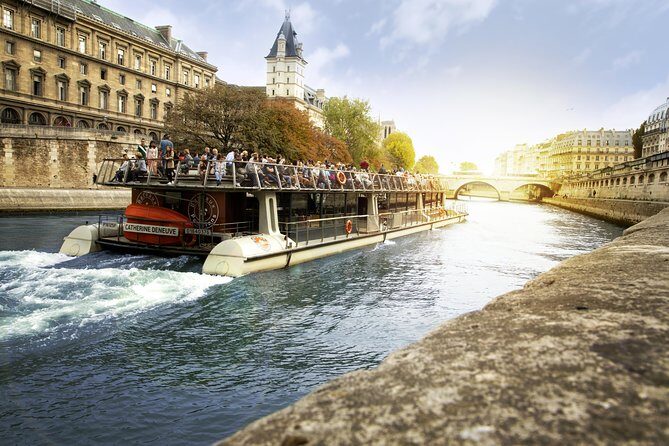
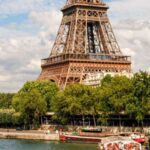
Your meeting point is at Bateaux Parisiens, Port de la Bourdonnais (75007). That’s close enough to the Eiffel Tower that you can realistically plan the day so the cruise is the relaxing payoff at the end of an Eiffel visit (or the calm break between other plans).
The big practical detail is timing at the quay. The cruise runs with many departure times day and night, and the schedule can vary on holidays. That sounds effortless, but it also means crowds can build fast around popular hours. If you show up right on the wire—especially when it’s raining—you may feel the stress at boarding.
Here’s how to handle it like a local: give yourself extra buffer time at the dock. Use the wait to people-watch, snap a quick Eiffel view from the promenade, and keep your phone charged so you can access the digital stuff smoothly.
Also note that this experience ends back where you started. So you’re not ending up miles away, which is handy when you still want dinner or a final stroll along the river.
The On-Board Audio: How to Hear Paris Without Straining
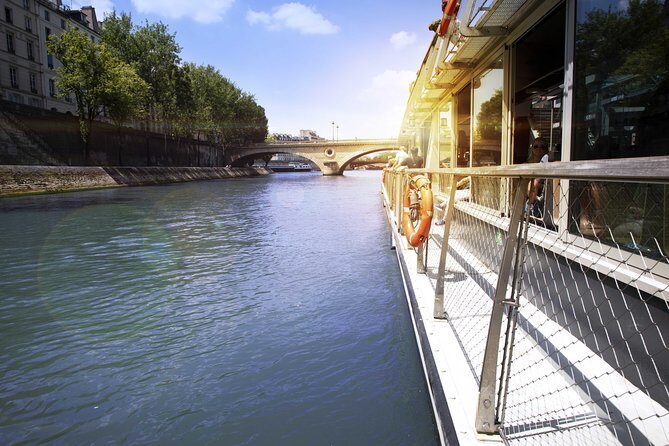
The star feature here is the commentary. You get a prerecorded audio guide in English, and you can also use it in 14 languages via the audio guides on board or through your own smartphone. That’s a big deal in Paris, where landmarks blur together unless someone gives you a map for what you’re seeing.
I like how the narration is built around what you’re actually passing. You hear what you’re seeing in sequence: bridges, monuments, and buildings tied together by their location along the Seine. If you’re traveling with kids, the audio keeps the trip from turning into just “looking at more buildings.”
There’s also a human element. An on-board guide is available for questions on top of the audio. That helps if something isn’t clear—like why a building looks the way it does or what role a site played historically.
Practical tip: if it’s cold or breezy, you’ll probably prefer staying put rather than constantly adjusting your phone. Use the on-board option if your own setup feels annoying, and plan to step outside only when you want a stronger photo angle.
Outbound Highlights from Pont Alexandre III to the Musée d’Orsay Area
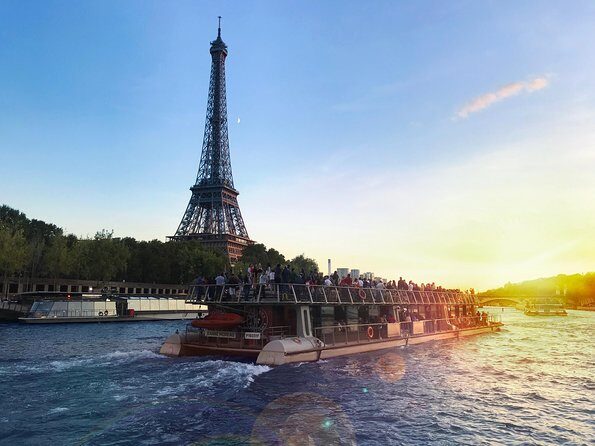
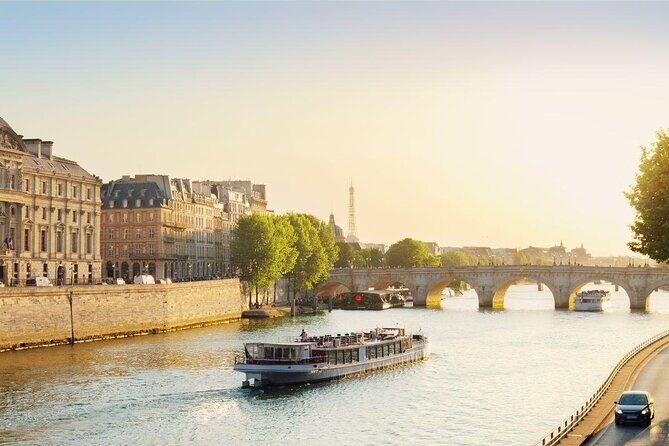
After boarding near the Eiffel Tower, the river opens up fast. One of the first major moments comes as you approach Pont Alexandre III. This bridge is described as a gift from France from Tsar Alexander III, and it shows off the grandeur Paris loves—ornate details and a dramatic feel as you glide beneath.
On the way, you’ll get a close river view of the Dome des Invalides, which houses the tomb of Napoleon Bonaparte. Even if Napoleon is not your obsession (totally fair), the perspective from the water makes the whole area feel bigger than it does from street level.
Then you pass the French parliament building and head toward the Musée d’Orsay surroundings. The Orsay area is one of those stretches where the buildings feel carefully staged—wide views, classic river architecture, and the kind of rhythm you don’t get when you’re just walking the same streets.
This is also a good segment for orientation. If it’s your first trip, you’ll start to understand where major neighborhoods sit relative to each other. The cruise naturally lines them up, and by the time you reach the next bridges, you’ll be able to picture how the city connects.
Passing Pont Neuf and Notre-Dame: Bridges You’ll Want to Photograph
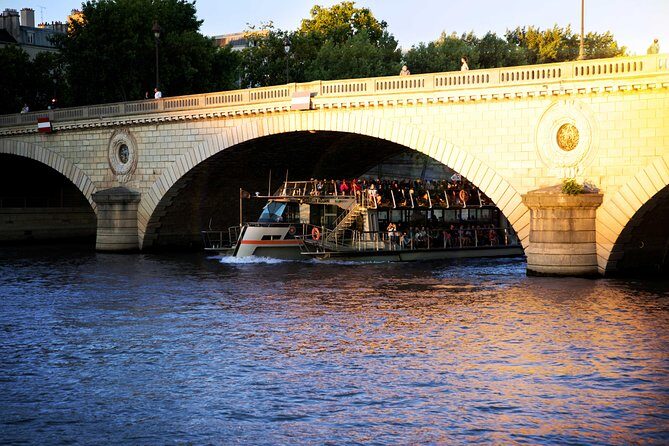
When you approach Pont Neuf, do yourself a favor and look up. Pont Neuf is the oldest bridge of Paris, and the sculptures are part of the show—easy to miss if you keep your eyes glued to the river.
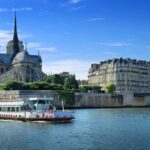
From there, you’ll see Notre-Dame Cathedral from the water. River views are different. From streets, you often see Notre-Dame in fragments. From the Seine, you get the scale and the framing that makes the landmark feel like the center of a scene.
You’ll also notice the changing atmosphere around the riverbanks as the boat moves through older, more story-heavy quarters. It’s not just scenic; it’s how Paris breathes. This area tends to look more “lived-in,” even though it’s full of iconic architecture.
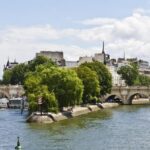
Another strong stop in terms of vibes is Île Saint-Louis. From the water, it reads as the heart of historical Paris—especially if you enjoy tight urban scenes, old stone edges, and streets that feel like they belong to a different pace.
Other bateaux parisiens cruises we've reviewed on the Seine & in Paris
Pont Marie Wishes, the Conciergerie, and the Louvre from the Waterline
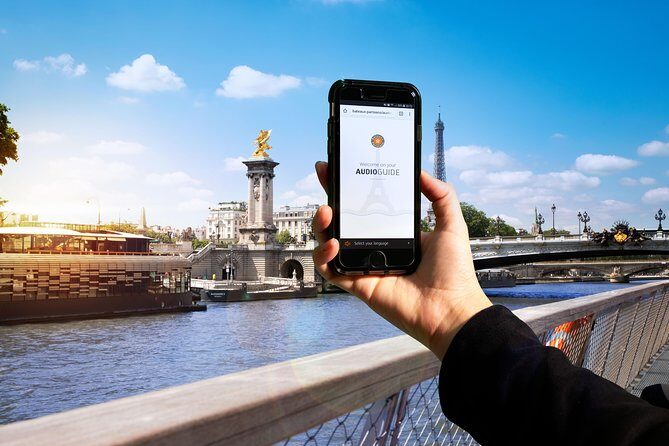
The cruise keeps giving you bridge moments. Pont Marie is famous for the wish tradition: when you pass under it, you can close your eyes and make a wish, with the idea that it comes true before next year. Even if you’re not the superstitious type, it’s a fun little ritual that takes no extra effort.
Right after that, look for the Conciergerie. It’s a remarkable landmark and tied to French revolutionary history: the place where King Louis XVI and Queen Marie-Antoinette were imprisoned before their execution. Hearing that context while you see the building from the river makes it feel less like a distant museum fact and more like a real piece of the city.
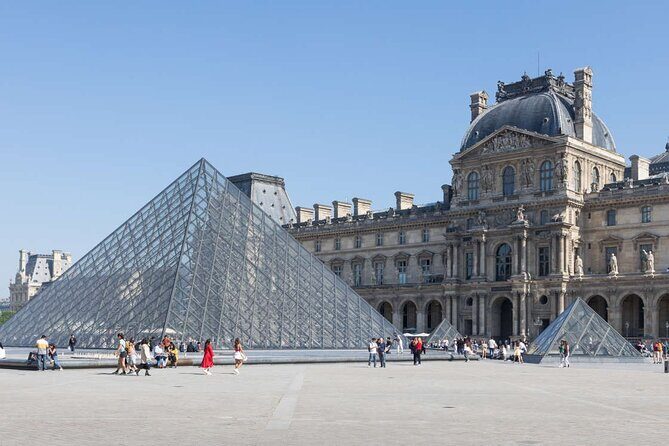
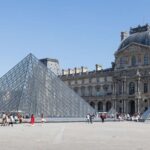
Then comes the Louvre, described as the ancient royal castle and one of the longest buildings in the world. From the Seine, it’s a long, powerful silhouette rather than a crowd maze. If you’ve ever struggled to “feel” the Louvre from the outside, a river shot helps you reset your expectations.
You’ll also pass the Egyptian obelisk and the area of Place de la Concorde, which connects to the French Revolution era when the guillotine was placed there. The lesson here is simple: the Seine isn’t just beautiful. It’s also a timeline.
Glass-Cupola Views and the Bastille Stones Story by the Seine
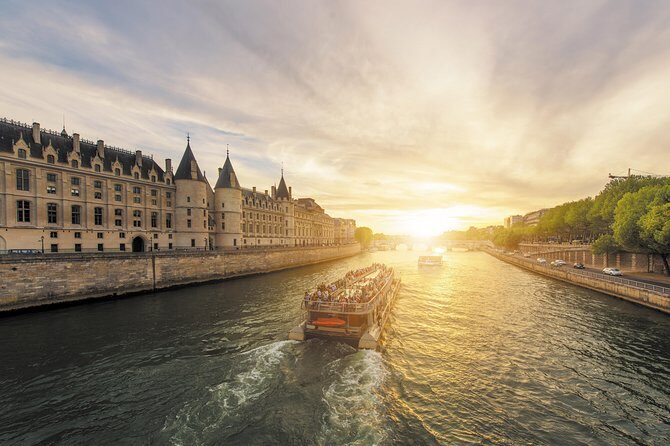
One of the most memorable visual stretches is the segment featuring a glass coupole building used for exceptional exhibitions and events. The information you’ll hear says that during the Olympic games in 2024, it hosted part of the competitions. Even if you don’t recognize it instantly, the glass dome changes how the whole river scene looks—more modern sparkle against classic stone.
As you continue, the cruise also includes a bridge with a very specific backstory: the bridge between Place de la Concorde and the Assemblée Nationale was built using stones from the Bastille prison, destroyed after the French Revolution. That’s the kind of detail that makes the cruise feel like a guided lesson instead of just motion.
By the time you finish this stretch and settle back into the return phase, you’ll likely feel like you’ve covered a lot of “big names” without needing to do the hard parts of planning and transit.
Night vs Day and Weather Reality (What Your View Will Actually Be Like)
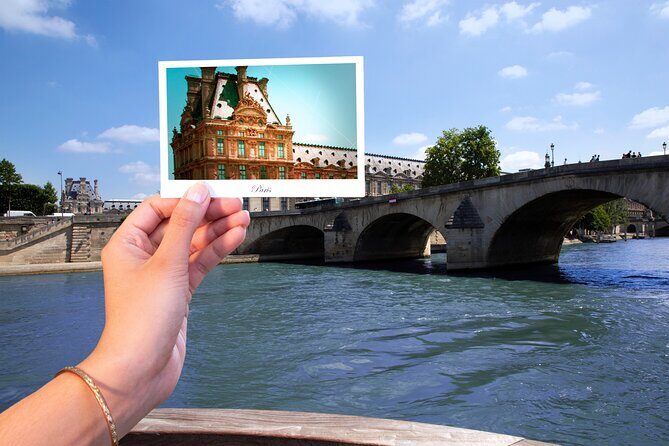
Daytime cruising is easiest for photos and landmark clarity. The river is bright, the skyline is crisp, and you can see details like sculptures on bridges with less strain.
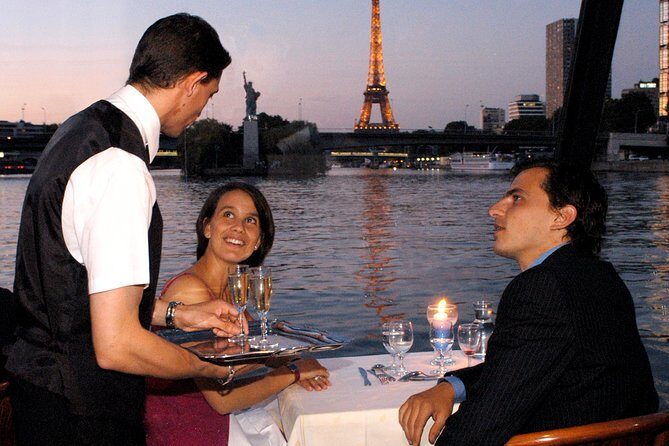
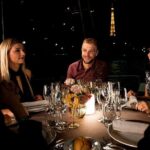
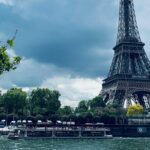
Nighttime has its own payoff: the city changes mood. Many people love seeing Paris light up, and the Eiffel Tower looks especially dramatic from the water when it’s illuminated. That said, nighttime can be trickier if it’s cold or rainy, since you may prefer staying inside the boat more than stepping up for the best sightlines.
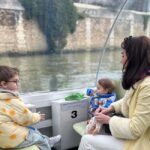
The boat is described as having fully glass-enclosed sections. That’s great for comfort in bad weather, but it can also reduce the view if you want “top-deck” angles. If you’re traveling when temperatures dip, dress in layers so you can adjust without constantly thinking about what you’re wearing.
Also remember that this is a short ride. If the weather is poor and visibility is limited, your best strategy is choosing a departure time when the light still helps. The cruise gives you a lot, but it can’t control fog, rain, or wind.
Value for $20.48: What You Get and What You Don’t
At around $20.48 per person, this cruise is priced like a budget-friendly “Paris greatest hits” pass. And it largely earns that price because you’re buying time and views, not just transportation.
You get:
- a 1-hour to 1-hour 20-minute sightseeing experience
- English audio commentary
- a route that passes major landmarks like Notre-Dame, the Louvre, and the Musée d’Orsay area
- departure and return near the Eiffel Tower, which is a huge convenience
You do not get:
- hotel pickup or drop-off
- food or drinks
- a souvenir photo at boarding (so if you want photos for keeps, plan on taking your own)
The real “cost” isn’t the ticket price. It’s time in line if the dock is crowded. When queues get long, the experience can feel less relaxed than you hoped. Still, if you manage your timing, it’s one of the simplest ways to see a lot of Paris without spending the entire day commuting between neighborhoods.
Who This Cruise Fits Best
This is ideal if you:
- want an easy way to connect multiple Eiffel Tower–area sights
- prefer guided context over guessing what you’re looking at
- have limited time and want the main landmarks in one outing
- travel with kids and want a calmer activity that doesn’t require museum stamina
It also works for first-time visitors. The cruise gives you an instant map of where key landmarks sit along the Seine. Later, when you walk on land, you’ll feel the geometry.
If you’re the type who loves deep museum time, this won’t replace that. But it can make museums hit harder because you understand what sits where—especially for sites like Notre-Dame and the Louvre.
Should You Book This Tour or Skip It?
I’d book it if you want a straightforward, scenic highlight that pairs perfectly with an Eiffel Tower–focused day. The route is packed with landmarks, the commentary is available in English (plus many other languages), and the overall time commitment is short enough to feel low-stress.
I’d hesitate only if you hate waiting in lines. This is a popular operation, and crowded timing can turn a relaxing cruise into a patience test. If you’re traveling in peak season or on a very rainy day, choose your departure time carefully and arrive earlier than you think you need.
If you want a simple rule: arrive with buffer time, dress for the weather, and treat the cruise as your fast track to understanding the city along the water.
FAQ
Where does the cruise depart and end?
The cruise departs from Bateaux Parisiens Port de la Bourdonnais (75007 Paris) near the Eiffel Tower and ends back at the same meeting point.
How long is the Paris Seine River Sightseeing Cruise?
The cruise duration is about 1 hour to 1 hour 20 minutes.
Do I have to pick a specific departure time slot?
No. You book your cruise on a specific date, but you can choose what time to go on the day of your cruise. Just show your voucher at the quay when you arrive.
Is there audio commentary, and is English available?
Yes. You can use audio commentary in English, and audio guides are available in 14 languages via audio guides on board or on your smartphone.
What major sights will I see?
From the river, you’ll pass key attractions such as Notre-Dame Cathedral, the Louvre, and the Musée d’Orsay area, plus major bridges like Pont Alexandre III, Pont Neuf, and Pont Marie.
Are food and drinks included?
No. Food and drinks are not included.
What’s included with the ticket price?
Your ticket includes a 1-hour Seine River cruise, departure from the Eiffel Tower area, and access to the audio commentary.
Is there a mobile ticket?
Yes. The tour uses a mobile ticket.
What happens if the weather is poor?
This experience requires good weather. If it’s canceled due to poor weather, you’ll be offered a different date or a full refund.
Can I cancel?
Yes. There is free cancellation, and you can cancel up to 24 hours in advance for a full refund.