REVIEW · PARIS
Paris: Big Bus Hop-on Hop-off Tour and Seine River Cruise
Book on GetYourGuide →Operated by Big Bus Tours/LES CARS ROUGES · Bookable on GetYourGuide
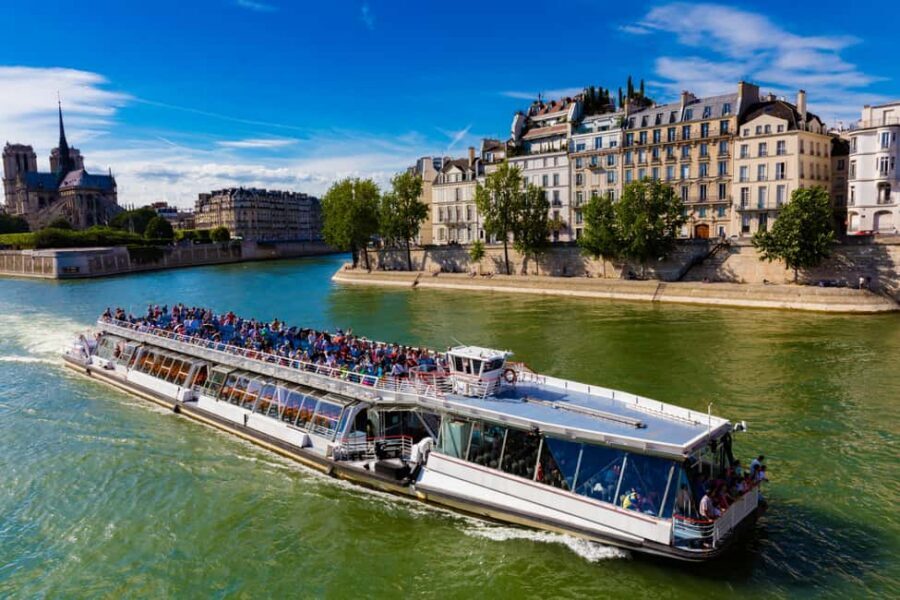
Paris gets easier with a bus and river cruise. I love the hop-on hop-off flexibility to build a day around your pace, and I also like the included Seine River cruise for views you can’t get from the street. One thing to plan around: Paris traffic and cruise queues can slow the timing, especially at peak departures.
The best part is that you’re not locked into one straight route. You get open-top touring with digital audio in multiple languages, onboard Wi‑Fi, and live bus tracking in an app, so you spend less time figuring things out and more time looking up.
You’ll still want a small strategy for crowd management. The bus can get busy, and the river cruise boarding lines can be long, so build in extra buffer time and don’t wait until the last second at the dock.
In This Review
- Key takeaways before you go
- Big Bus Paris: the easiest way to cover the postcard stops
- Riding the open-top bus: audio, Wi‑Fi, and real-life comfort
- Seine River cruise from Pontoon No. 3: your best night-light shortcut
- Stop-by-stop: what each major area is good for (and what to watch)
- Louvre-Pyramide / Big Bus Information Centre (11 avenue de l’Opéra)
- Louvre – Pont des Arts (56 Quai François Mitterand)
- Notre Dame (3 Rue Lagrange)
- Musée d’Orsay (58 Place Henry de Montherlant)
- Champs-Élysées (156 avenue des Champs-Élysées)
- Grand Palais (Avenue Winston Churchill)
- Iéna (Avenue Iéna)
- Eiffel Tower (Quai Branly, Entrée 2 Tour Eiffel)
- Champ de Mars (Avenue Joseph Bouvard)
- Opéra Garnier (Facing 15 rue Scribe)
- Invalides (2 Avenue de Tourville)
- How to plan your day(s) so it feels effortless
- Value for money: why this combo often beats DIY
- Driver and audio commentary: helpful, with a few watch-outs
- Should you book Big Bus Paris plus the Seine cruise?
- FAQ
- What’s included in the Big Bus Paris ticket?
- Where is the Seine River cruise departure point?
- How often do the Seine River cruises depart?
- Do I need to choose a time for the river cruise?
- How do I activate my hop-on hop-off ticket?
- What stops can I use for getting on and off?
- Is hotel pickup and drop-off included?
- What languages are available for the audio guide?
- Is the tour wheelchair accessible?
Key takeaways before you go
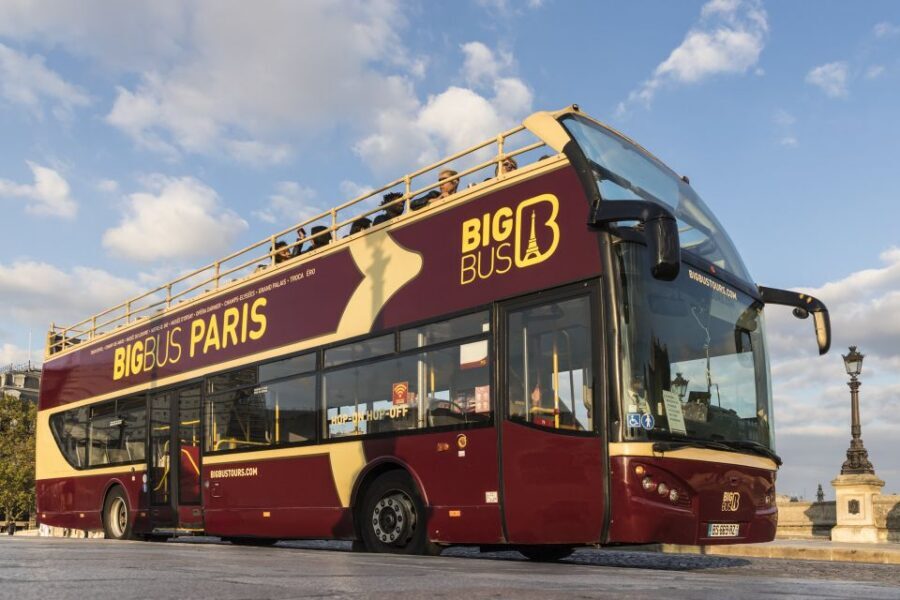
- Two experiences in one ticket: hop-on hop-off bus plus a 1-hour Seine cruise
- Pick your own rhythm: 24- or 48-hour pass means you can return to spots as you want
- Audio on demand with headphones and multiple languages
- Live bus tracking in the Big Bus app so you can time your moves
- Cruise timing matters: choose your departure slot early for a smoother experience
- Use the stop staff: assistants at stops can help you find the right boarding spot fast
Big Bus Paris: the easiest way to cover the postcard stops
If you only have a day (or parts of two), this is one of the simplest ways to see a lot of Paris without turning your feet into sandpaper. The hop-on hop-off pass gives you open-top bus sightseeing with stops at major icons and plenty of nearby points of interest.
I like that you can start from any of the Big Bus stops along the route. That means you’re not forced into one morning pickup plan, and you can line it up with where you’re staying. You also get digital audio commentary, which helps you connect what you’re seeing—Eiffel Tower, Louvre area, Notre Dame, and the big boulevards—to where it fits in the city.
One practical note: open-top touring is great for views, but it’s also weather-dependent. If rain or wind shows up, bring a packable layer and plan for a more enclosed feel than the marketing photos promise.
Other hop-on hop-off cruises we've reviewed on the Seine & in Paris

Riding the open-top bus: audio, Wi‑Fi, and real-life comfort
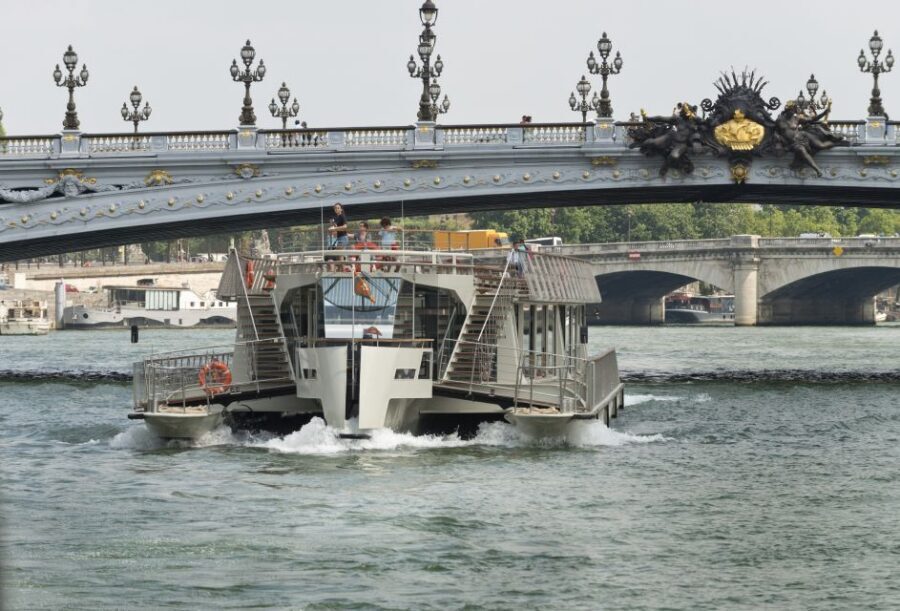
This bus experience is built around three things: seeing, listening, and moving. The digital commentary comes with headphones, and languages include Spanish, Chinese, English, French, German, Italian, Portuguese, Russian, and Korean. That’s especially helpful if your group doesn’t speak the same language.
On top of that, you get onboard Wi‑Fi and a downloadable app with live bus tracking. The app can also help you time your hop-offs, which matters in Paris because walking between far-apart sights can eat hours.
Comfort is usually solid, but don’t assume the day will be identical to the last. One reported experience included a bus that felt slower near landmarks, and another mentioned limited comfort during hot weather. Air-conditioning performance can vary by vehicle and conditions, so pack water and a light layer even in warm months.
Also, pay attention at the curb. There’s a tip worth taking seriously: the bus can stop sooner than you expect, so when you hear your stop name, don’t wait for a dramatic pause—get ready to move.
Seine River cruise from Pontoon No. 3: your best night-light shortcut
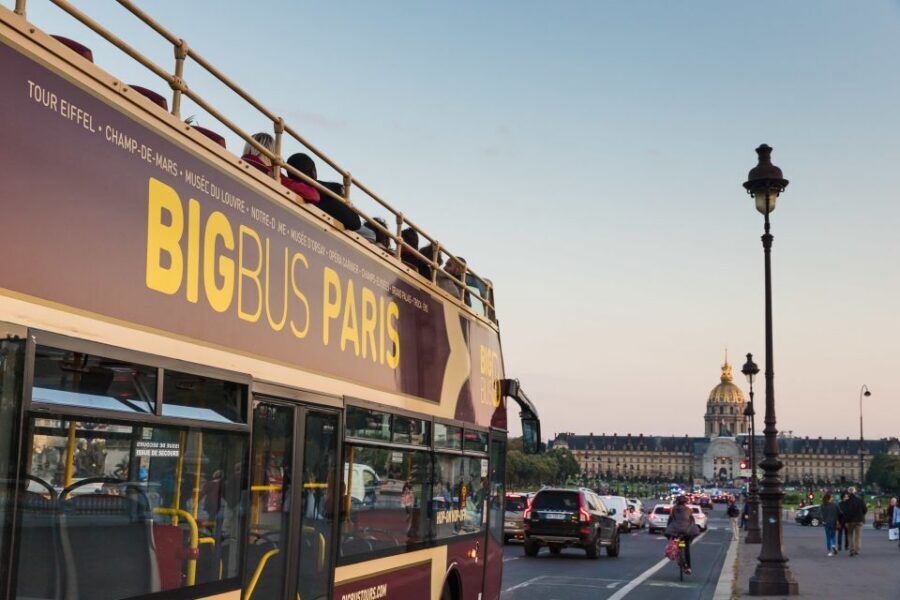
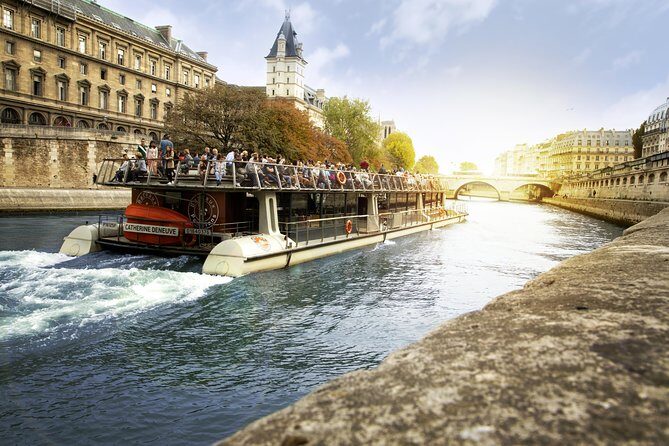
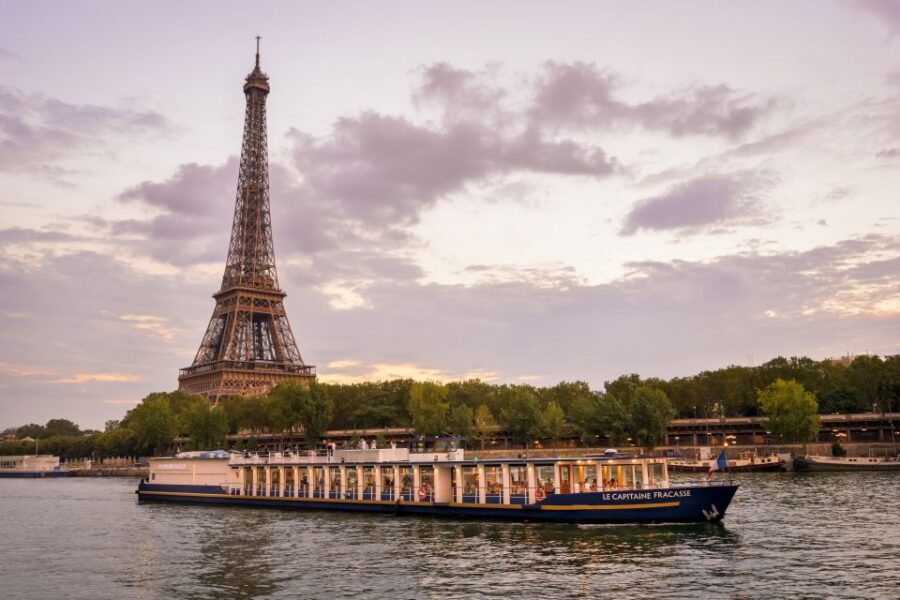
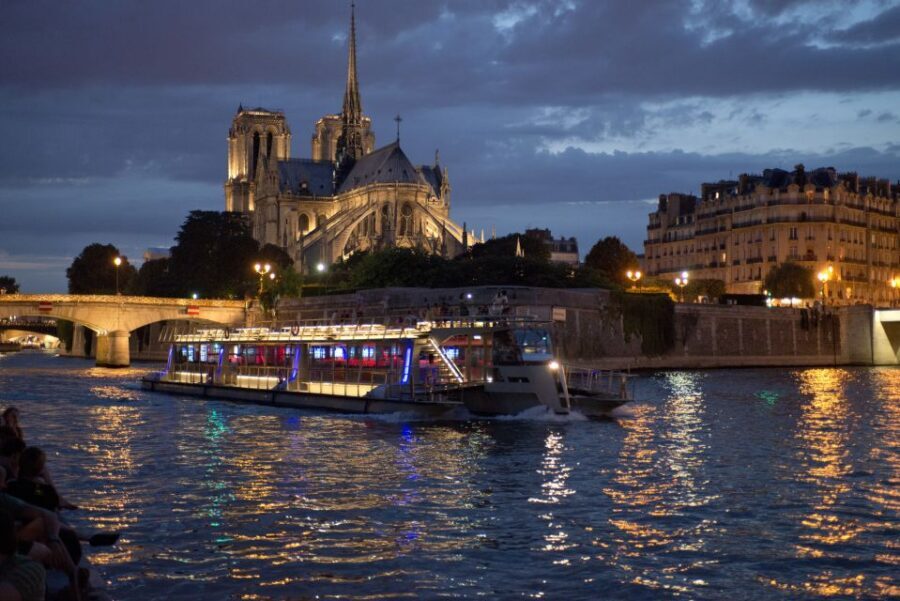
The cruise is a one-hour ride operated by Les Bateaux Parisiens, and it’s included right in the combo ticket. Departure is from Pontoon No. 3 at Port de la Bourdonnais, near the Eiffel Tower stop. This is a huge deal because it ties your bus day to a scenic finale without forcing you into complex transfer plans.
Timing runs like this:
- Every 45 minutes from 10:30am to 9:00pm
- Every 30 minutes on weekends
You must choose a time slot before boarding, so treat the cruise like a planned appointment, not an afterthought. If you love seeing Paris with nighttime glow on the bridges and buildings, aim for later departures. If you prefer fewer crowds and easier boarding, go earlier in the day.
Here’s the one logistics snag to plan for: queueing can be intense. One report described very long lines for the same cruise departure, with a huge number of people waiting at once. For that reason, I recommend you give yourself extra time to get from your bus stop to the dock area and then join the line calmly.
Stop-by-stop: what each major area is good for (and what to watch)
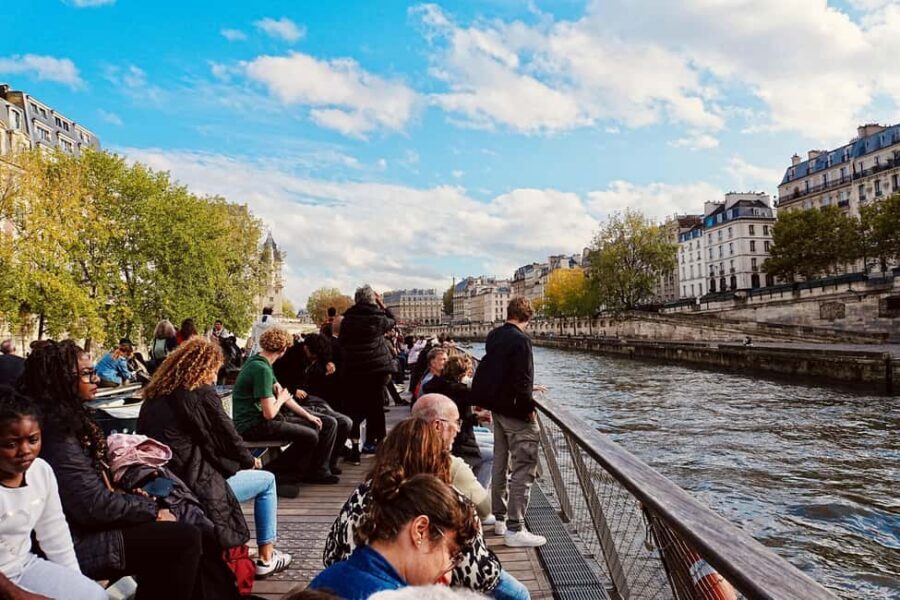
The hop-on hop-off route is built around the sights you’ll want to revisit, photograph, or connect with a museum visit. Below are the key stops where you can jump on or off, plus how to use each one well.
Louvre-Pyramide / Big Bus Information Centre (11 avenue de l’Opéra)
This is a strong starting point because it’s tied to the Big Bus Information Centre. If you’re activating your ticket in person, this stop makes life easier.
What I like: you’re close to the grand museum energy of the Louvre area and also not far from the Opéra side of town. What to watch: this area can be busy, so don’t plan a tight connection if you’re trying to fit a specific museum entry window.
Other hop-on hop-off bus & seine we've reviewed on the Seine & in Paris



Louvre – Pont des Arts (56 Quai François Mitterand)
Pont des Arts is one of those “walk a few steps and you’re rewarded” zones. You get river views and a strong sense of how the Seine threads the city together.
Use it for: photos and a quick scenic break before you commit to a full walking loop. Drawback: it’s crowded, so keep your meeting point clear if you’re traveling with others.
Notre Dame (3 Rue Lagrange)
This stop puts you in the Île de la Cité orbit. Even if you’re not spending hours on-site, it’s the kind of sight that benefits from a slow look from the surrounding streets.
Use it for: classic Paris exterior views and a calmer break from long museum corridors. What to watch: area streets can be packed and you may need extra time to get your bearings and cross safely.
Musée d’Orsay (58 Place Henry de Montherlant)
This stop is ideal for pairing bus touring with a museum plan. Orsay is a top pick because it sits right where the Seine and the urban skyline make great backdrops.
Use it for: a museum afternoon paired with river walks nearby. Drawback: this is a popular stop, so if you want a less crowded visit, consider going earlier in your day.
Champs-Élysées (156 avenue des Champs-Élysées)
If you want the Paris big boulevard moment, this is where you feel it. It’s also the corridor that makes the whole “Paris is walkable” fantasy start to fray, because it stretches.
Use it for: a taste of high-energy shopping and a straightforward way to connect to nearby landmark areas. What to watch: this strip can be busy, and crossing can take time—plan your hop-off with that in mind.
Grand Palais (Avenue Winston Churchill)
Even if you’re not going inside, this is a satisfying architecture stop. The Grand Palais area works well for people who want landmark scale without a long detour.
Use it for: quick viewing breaks and photos that feel like Paris, not just Paris postcards. Drawback: it can be crowded in peak hours.
Iéna (Avenue Iéna)
This is a smart stop when your goal is Eiffel area access without backtracking through traffic-heavy zones. It’s part of the broader “Eiffel views” approach.
Use it for: positioning yourself for photos and moving toward the Tower area when you’re ready. What to watch: because it’s a key transit area, you’ll want to keep an eye on your surroundings and traffic flow.
Eiffel Tower (Quai Branly, Entrée 2 Tour Eiffel)
This is a flagship stop. You’re set up for the Tower itself, and it also matters for your cruise plans because the Seine departure is near here.
One real-life tip: try not to expect smooth timing right at the biggest monument. There are cases where buses slow down early for lights or congestion. If you need a specific plan—like being at the Tower entry at a set time—add a cushion.
Champ de Mars (Avenue Joseph Bouvard)
Champ de Mars is the “stay in the view” area. If you want to soak in the Eiffel Tower from a distance with space around you, this is where the atmosphere changes.
Use it for: a relaxed break, picnic-style downtime, or an easy walk back toward the Tower zone. Drawback: it can also be busy on nice days.
Opéra Garnier (Facing 15 rue Scribe)
This stop helps you shift from monument-heavy sightseeing to Paris culture energy. Opéra Garnier is one of the city’s dramatic showpiece buildings, and it’s a satisfying change of pace from the Louvre-to-Eiffel sequence.
Use it for: an evening stroll plan or a pre-museum wander. What to watch: like other central hubs, it can be busy at peak times.
Invalides (2 Avenue de Tourville)
This is a great stop for travelers who want one more big landmark beyond the usual top three. It also fits nicely if you prefer a more organized landmark complex rather than just walking long boulevards.
Use it for: adding variety and breaking up your day. Drawback: you’ll likely need a bit of extra walking from the stop to where you want to be inside the site area.
How to plan your day(s) so it feels effortless
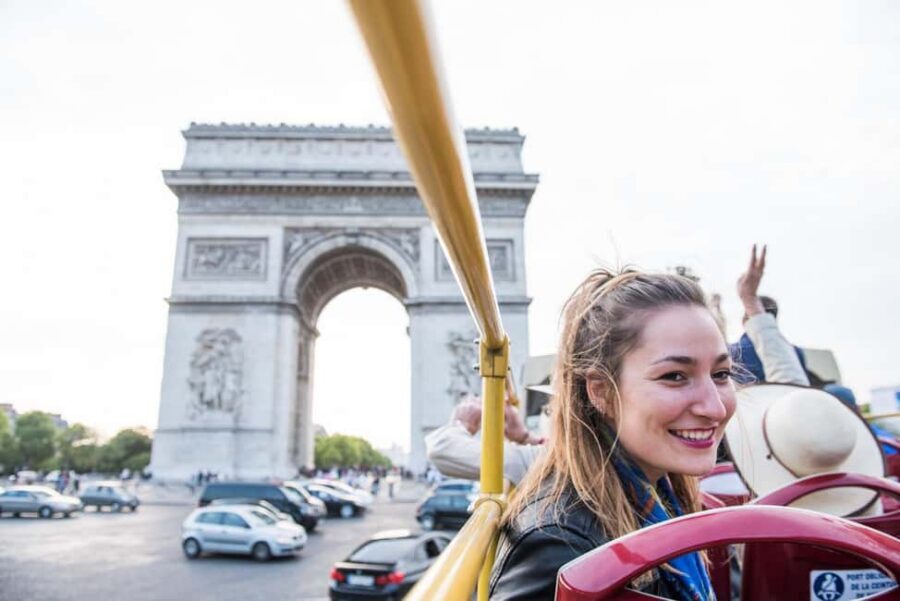
The magic of this combo ticket is that you can shape your itinerary around energy levels, not a rigid schedule. With 24 or 48 hours, I’d treat the bus as your “orientation tool” and the cruise as your “plan the payoff” moment.
A strong approach for a first day:
- Start in the morning at a central stop (Louvre-Pyramide or Opéra are easy bets)
- Take the loop, hop off for a few photo stops, then get back on
- Keep one big block for the Eiffel Tower area (Eiffel Tower + Champ de Mars)
- Book your Seine cruise later in the day for the most atmospheric lighting
A strong approach for day two:
- Use the bus to jump to the sights you skipped
- Add Notre Dame and Musée d’Orsay if you want more classic Paris + museum culture
- Finish with Invalides or Opéra Garnier, depending on what you enjoyed most
Also, accept one Paris reality: traffic changes timing. If your second booking depends on being somewhere at a precise minute, build buffers. The hop-on hop-off system helps, but it can’t erase congestion.
Value for money: why this combo often beats DIY
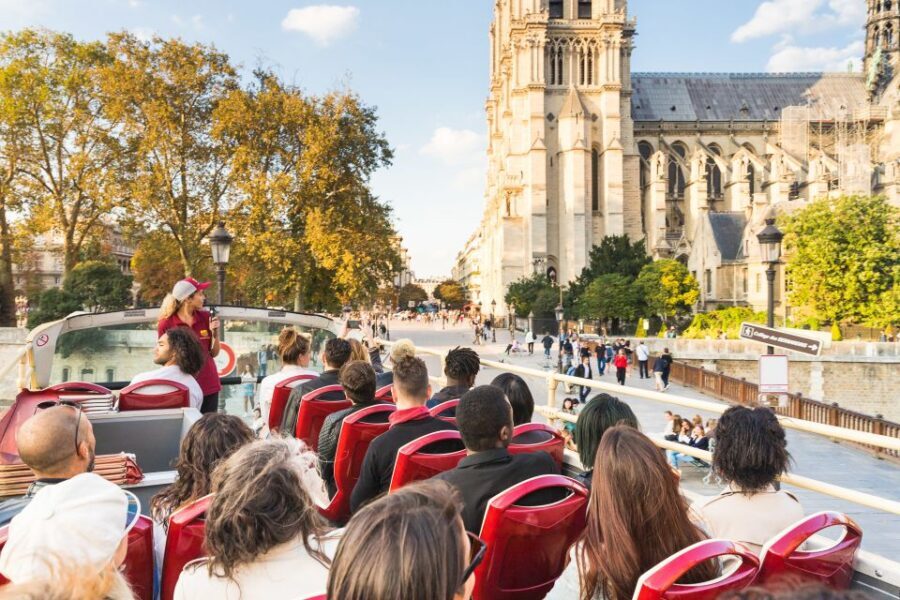
At about $61 per person, the appeal is that you’re paying for two high-value experiences together:
1) bus touring that covers major landmarks with audio, and
2) a scheduled Seine cruise with a different city angle.
If you tried to recreate this solo, you’d spend time figuring out transit routes, and you’d probably lose more time than you save on cost. The included audio and app tracking reduce the mental workload, especially on a first visit. Plus, the bus is designed for short, flexible breaks—jump off for a sight, jump back on when you’re ready.
This combo also makes sense for groups with mixed mobility or pacing. One advantage that shows up clearly in real use: it can be easier for families and for travelers who don’t want to log long walking marathons in heat.
Where it’s not a slam dunk: if you strongly dislike crowds or long queues, the Seine cruise boarding line can be a dealbreaker. In that case, you might prefer a more time-controlled plan that avoids popular departure slots.
Driver and audio commentary: helpful, with a few watch-outs
The audio is one of the reasons this works well as a practical sightseeing system. It’s in many languages, delivered through headphones, so you can listen without stopping to read.
A small watch-out: on at least one ride, the recorded commentary didn’t perfectly match the exact moment you were passing a point. The fix is simple—stay alert for the next stop name and let the narration catch up, or just use it as a background guide instead of a strict GPS.
You’ll also want to keep headphones handy, and if the audio cuts out, try another bus or switch equipment. One reported issue was solved after changing buses.
And yes—some guides bring more personality than you’d expect. One memorable mention included drivers named Lou and Roberto who kept the ride engaging and humorous, not stiff or robotic.
Should you book Big Bus Paris plus the Seine cruise?

Book it if:
- You want to see a lot of landmarks fast without building a complex transit plan
- You like the idea of audio-guided sightseeing in your preferred language
- You want a one-hour Seine cruise from the Eiffel-side dock area
- You’re traveling with kids, seniors, or anyone who wants to avoid long walks
Skip or rethink it if:
- Your schedule is extremely tight and you can’t handle queueing
- You hate crowded buses and packed boat boarding lines
- You don’t plan to use the hop-on flexibility and would rather choose specific timed experiences only
If you’re doing Paris for the first time, this is a smart way to get your bearings and still feel like you’re doing something special at the end of the day.
FAQ
What’s included in the Big Bus Paris ticket?
It includes a 24- or 48-hour Big Bus hop-on, hop-off ticket, a 1-hour Seine River cruise, digital commentary in multiple languages (headphones provided), onboard Wi‑Fi, and access to the downloadable app with live bus tracking.
Where is the Seine River cruise departure point?
The cruise departs from Pontoon No. 3, Port de la Bourdonnais, near Stop #8 at the Eiffel Tower.
How often do the Seine River cruises depart?
The cruise runs every 45 minutes from 10:30am to 9:00pm. On weekends, it runs every 30 minutes.
Do I need to choose a time for the river cruise?
Yes. You must choose a time slot before boarding the cruise, and you can do that through the Big Bus app, online manage-your-booking page, or in person with Big Bus staff.
How do I activate my hop-on hop-off ticket?
You can activate by using the Big Bus app and your Activity Provider Reference Number, or by visiting the Big Bus Information Centre at 11 Avenue de l’Opéra, or by speaking to Big Bus team members at any stop with your voucher.
What stops can I use for getting on and off?
You can hop on or off at Big Bus stops along the route, including major locations such as the Louvre-Pyramide/Information Centre, Pont des Arts, Notre Dame, Musée d’Orsay, Champs-Élysées, Grand Palais, Iéna, Eiffel Tower, Champ de Mars, Opéra Garnier, and Invalides.
Is hotel pickup and drop-off included?
No. Hotel pickup and drop-off are not included.
What languages are available for the audio guide?
Audio commentary is available in Spanish, Chinese, English, French, German, Italian, Portuguese, Russian, and Korean. Headphones are provided.
Is the tour wheelchair accessible?
Yes. The buses have ramps for wheelchair access, and wheelchair access is supported for the experience.