REVIEW · PARIS
Paris: Seine River and Canal Saint-Martin Cruise
Book on GetYourGuide →Operated by Paris Canal · Bookable on GetYourGuide
Paris looks different when the water takes over.
This cruise mixes classic Seine views with a side of Paris most people miss: the Canal Saint-Martin system and the famous stretch under the city. You start near the Musée d’Orsay, glide past landmarks like Notre-Dame and the Tuileries from the water, then switch into a tunnel route that feels like a secret passage.
Two things I’d put at the top of your list: you get real sightseeing time on the Seine with commentary, and you also get the practical, fascinating drama of locks plus the long tunnel experience. One thing to plan for: the finish is farther north than where you’re used to ending, so you may want a simple plan for getting back into central Paris.
In This Review
- 6 Key Things That Make This Cruise Worth Your Time
- Where the Cruise Starts: Solférino Port by the Orsay Museum
- Musée d’Orsay to Bastille: The Seine Stretch That Sets the Mood
- Bastille Vaults Tunnel: A Secret-Paris Moment Under the Streets
- Exiting the Tunnel: Chestnut Trees, Footbridges, and the Canal’s Calm
- The Temple Area Details: Frederic Lemaître, Locks, and Hotel du Nord
- Locks on the Canal: How the Steel Gates Turn Water Level Into a Show
- Dead Lock and Montfaucon Gibbet: When the Cruise Turns Dark
- Ending at Parc de la Villette: Cité des Sciences and What You Can Do Next
- Views and Photography: What You’ll Actually Want to Shoot
- Price and Value: Why $27 Feels Like a Smart Half-Day Deal
- Timing, Rain Plans, and How the Day Flows
- Comfort Tips That Actually Matter on This Route
- Who This Cruise Fits Best (and Who Might Skip It)
- Should You Book This Seine and Canal Saint-Martin Cruise?
- FAQ
- How long is the cruise?
- What time departures are available?
- Where do I meet the boat?
- Does the cruise go on the Seine and the Canal Saint-Martin?
- What languages are offered for the commentary?
- Is the cruise available in bad weather?
- Is this cruise wheelchair accessible?
6 Key Things That Make This Cruise Worth Your Time
- Twelve hundred meters of underwater storytelling: the 1.24-mile tunnel has light filtering through perforations.
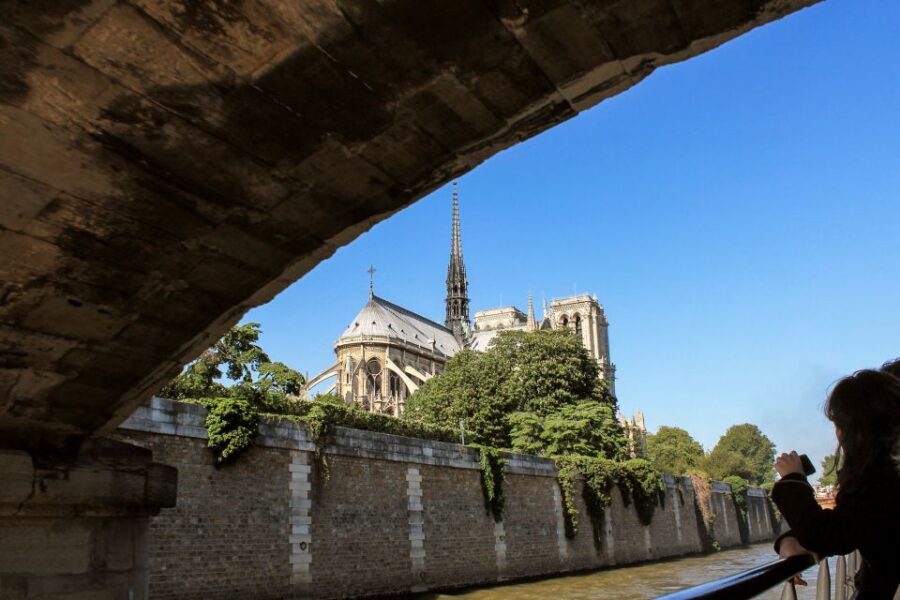
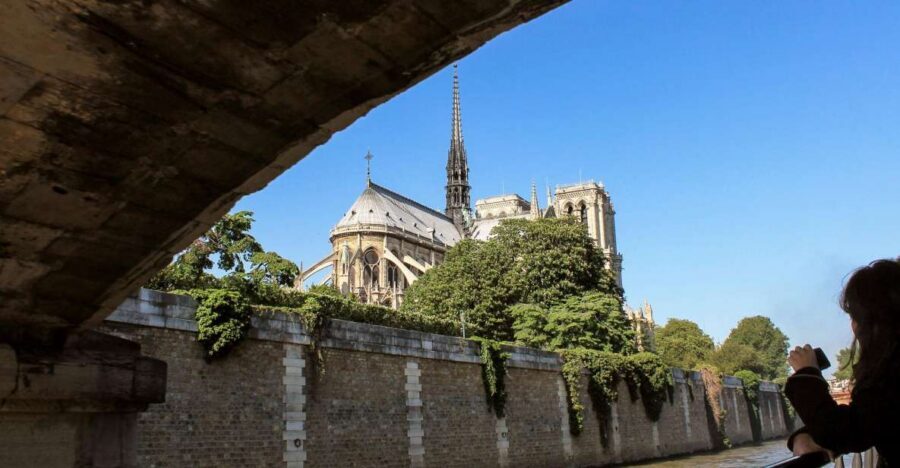
- Seine icons from a calmer angle: you see Notre-Dame, the Louvre area, Tuileries Garden, and Pont des Arts from the water.
- The Canal Saint-Martin feels like another Paris: chestnut trees, pedestrian bridges, and fishermen along the banks.
- Locks are the main event: steel gates lift and lower the boat as the canal connects different water levels.
- Historical stops by the waterline: past the site of the Montfaucon gibbet near the Dead Lock.
- Worth it even if you’ve done a Seine cruise: this is different from the usual big-river route.
Where the Cruise Starts: Solférino Port by the Orsay Museum
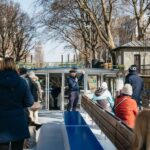
Most half-day Paris plans are either a nonstop walking loop or a standard big-bus moment. This one starts in a more relaxed place: the boat is moored at Port of Solférino, just below the Musée d’Orsay.
Getting there is part of the payoff if you’re already in the Orsay area. You use the wooden main staircase to reach the port. The location is convenient for anyone doing a museum-heavy morning (or a late start after lunch), and it’s an easy way to shift from streets and crowds to water-level views.
A practical note: the meeting spot isn’t always obvious from street level. Give yourself a little extra time and look for the boat rather than trying to interpret directions from a single street corner.
Other canal saint-martin cruises we've reviewed on the Seine & in Paris
Musée d’Orsay to Bastille: The Seine Stretch That Sets the Mood
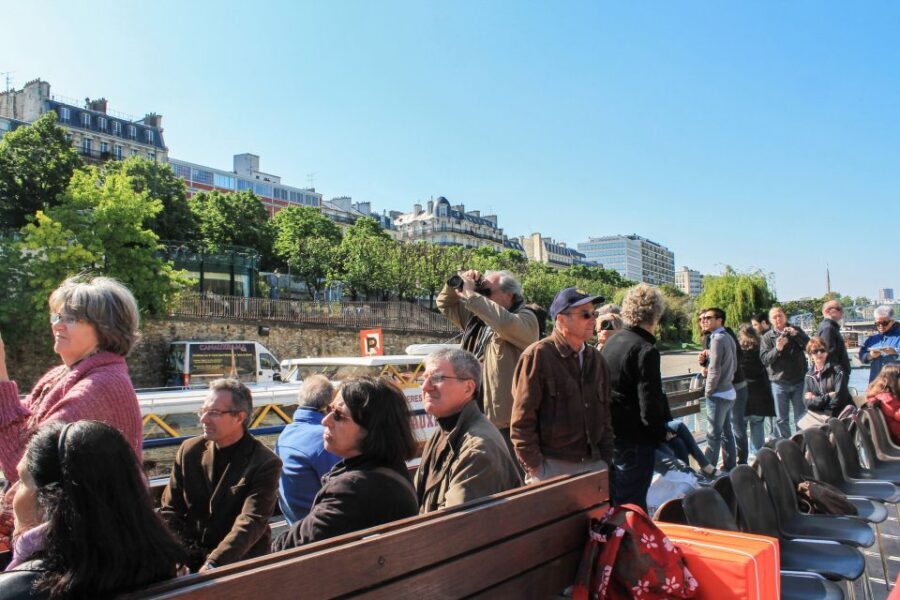
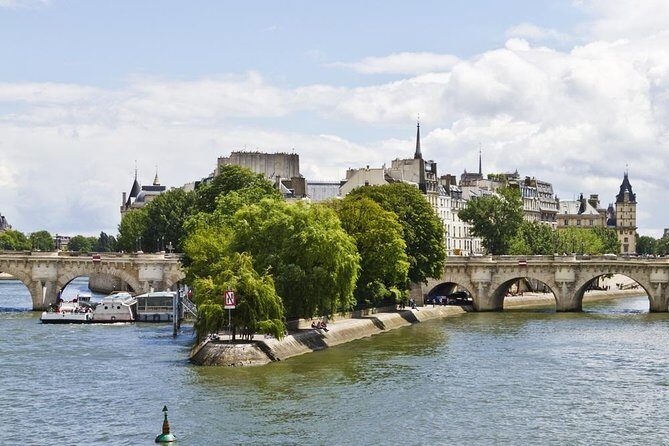
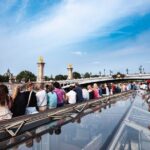
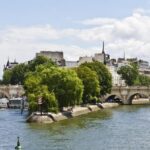
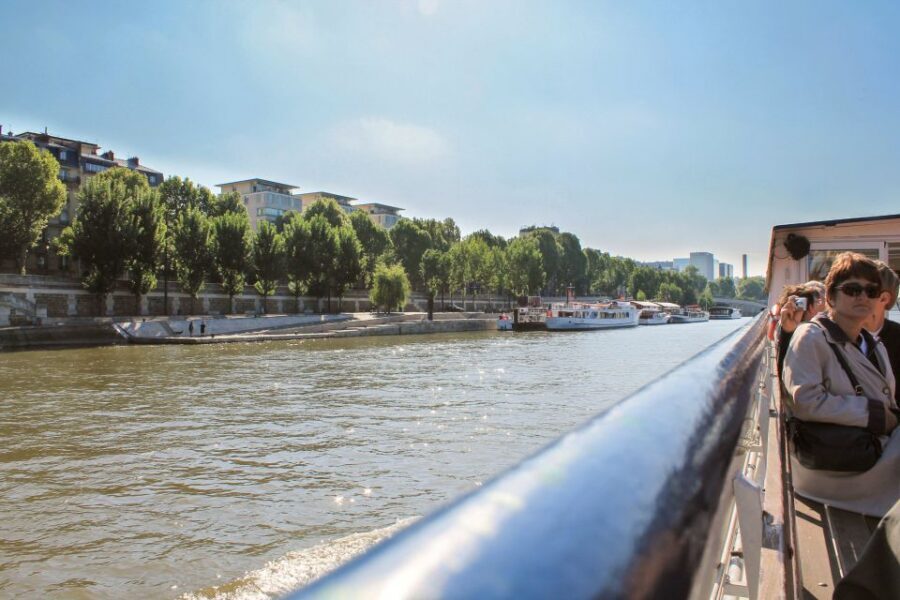
Your cruise begins on the Seine with the kind of scenery that makes you understand why people fall for Paris in the first place. From the water, you’ll get angled views that you don’t quite get from bridges or from along the sidewalks.
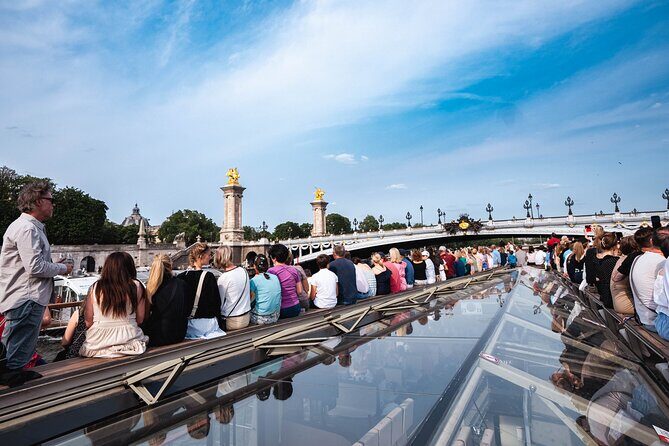
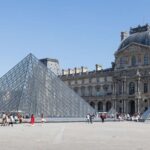
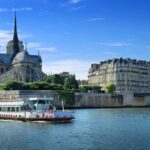
As you head along, expect to spot major sights like Notre-Dame, the Tuileries Garden, and you’ll also pass by areas linked to the Louvre. Pont des Arts shows well from the river because you’re looking at the bridge and the river’s reflections at the same time.
This part matters for two reasons. First, it puts you into “Paris sightseeing mode” without the effort of walking between stops. Second, it sets up the switch to the Canal Saint-Martin so the tunnel and locks don’t feel like a random detour.
Bastille Vaults Tunnel: A Secret-Paris Moment Under the Streets
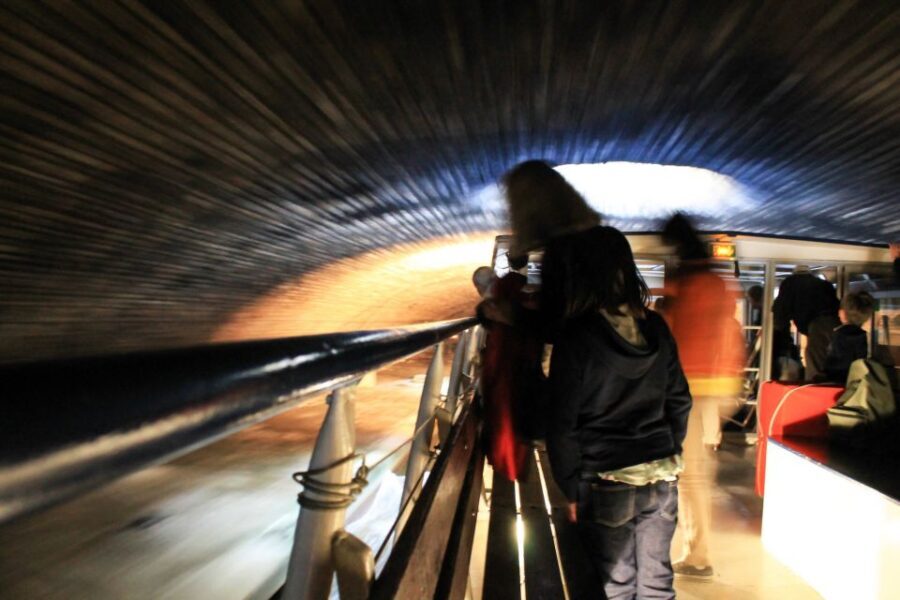
Then comes the moment that many people remember most: you pass under the Bastille vaults and enter a 1.24-mile tunnel. It’s not pitch-black. The tunnel is lit by perforations that let in light from the outside, which helps it feel eerie-but-beautiful instead of claustrophobic.
This tunnel section is the “wow” factor, but it also helps the whole route make sense. The canal network is connected to the city in a very practical way, and you experience that connection literally underfoot. Even if you don’t usually care about engineering, watching the boat move through such a long subterranean stretch turns the cruise into a story, not just a ride.
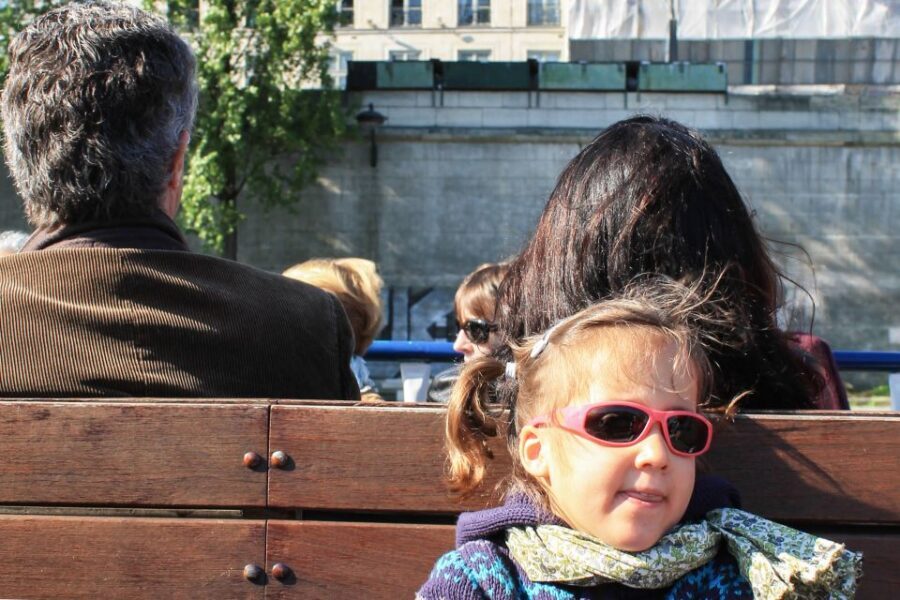
If you’re traveling with kids, this is the segment that usually works. It changes the visual rhythm fast, and you’ll have plenty to look at even when you can’t see the usual skyline.
Exiting the Tunnel: Chestnut Trees, Footbridges, and the Canal’s Calm
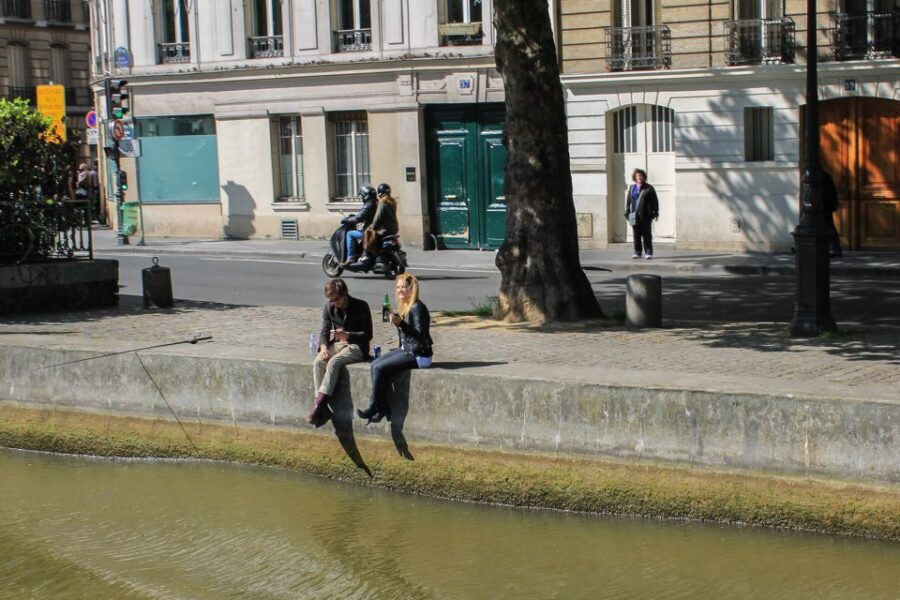
Once you emerge from the tunnel, the canal world feels like it’s dropped into a quieter key. You’ll cruise along the Canal Saint-Martin, surrounded by romantic footbridges and lined with chestnut trees. Fishermen and small riverside scenes make the whole place feel lived-in, not staged.
This contrast is a big part of why the cruise is popular. You go from grand river views to a human-scale waterway. The canal isn’t about monumental buildings as much as it’s about daily life: the banks, the greenery, the bridges, and the slow pace of a narrow water channel.
You also get the “how does this city work” angle. The canal is an urban space, and from the boat it feels like you’re moving through a neighborhood rather than a tourist corridor.
The Temple Area Details: Frederic Lemaître, Locks, and Hotel du Nord
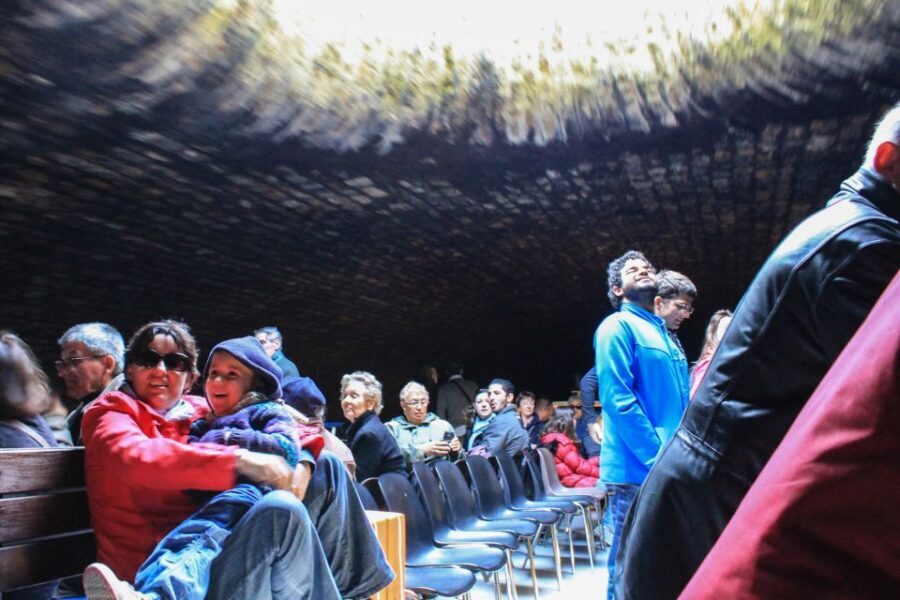
As you continue along, you pass the Temple area and several points that add texture to what you’re seeing.
One specific sight to listen for is Frederic Lemaître’s bust. Nearby, you’ll also hear about the Recollets Lock and you may spot the Hotel du Nord. These aren’t just name drops. The commentary ties them to the canal’s identity and to how water shaped movement and industry around these neighborhoods.
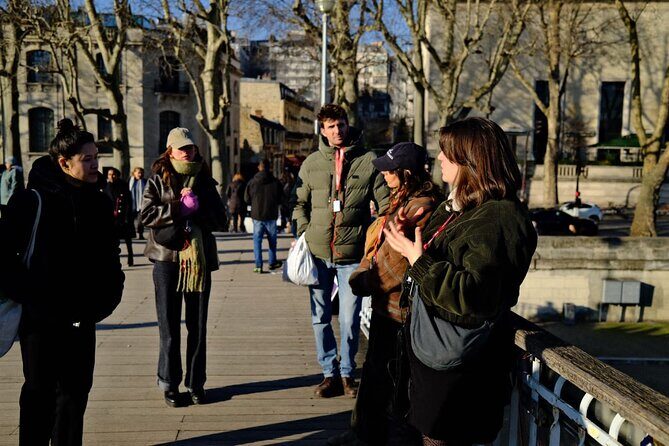
This is where the live guide becomes genuinely useful. You’re not just looking at bridges and trees. You’re learning why those spots matter and how the canal’s route fits into the city’s history and layout.
Other boat tours in Paris

Locks on the Canal: How the Steel Gates Turn Water Level Into a Show
If you remember only one technical thing from this cruise, make it the locks. People often call this part unique, and honestly, it is. You’ll pass through lock mechanisms where steel doors close off each end so water can be exchanged to raise or lower the boat.
You’ll see the lock action as the canal manages different water levels. It’s not loud or dramatic like a theme-park ride, but it’s still exciting because you understand the boat is being handled by the canal itself, not just floating along.
This segment is also why the cruise feels longer than 2.5 hours—in a good way. Instead of passively watching landmarks, you’re watching a process happen in real time.
Dead Lock and Montfaucon Gibbet: When the Cruise Turns Dark
Near the Dead Lock, the route takes a heavier historical turn. The area once featured the Montfaucon gibbet, a grim reminder that water routes were tied to law, punishment, and power as much as trade and travel.
This doesn’t ruin the mood. It adds a layer. From the boat, you experience the city’s complexity as something you can’t reduce to postcards. You’ll still be cruising through scenery that looks pleasant and green, but you’re hearing the context behind why certain places have those names.
If you like your sightseeing with real details—not just surface charm—this is a strong moment.
Ending at Parc de la Villette: Cité des Sciences and What You Can Do Next
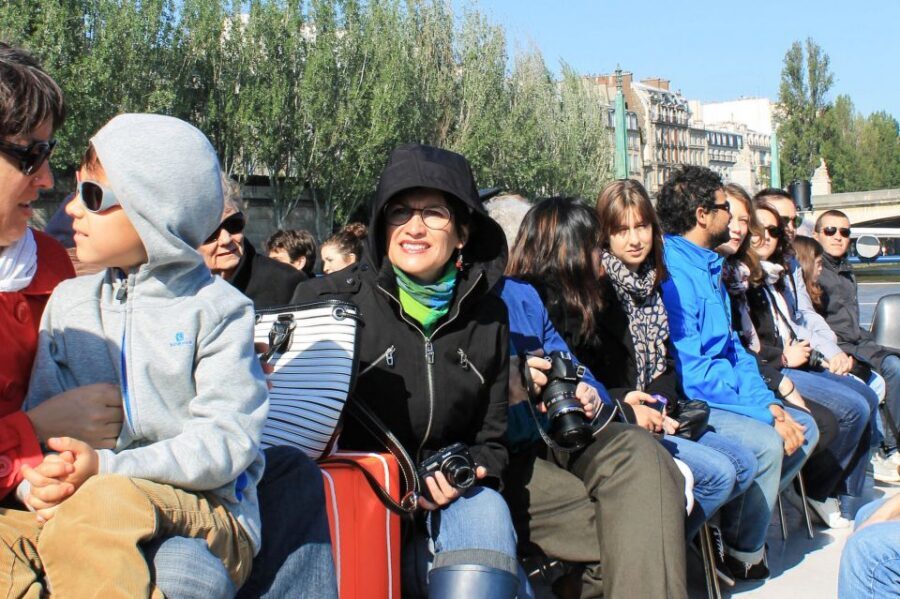
The canal continues toward Bassin de la Villette and the arcing footbridge of rue de Crimée, then the cruise finishes near Parc de la Villette.
From there, you can admire the Cité des Sciences and the Music Museum, plus the themed gardens. It’s a good landing spot for a relaxed stroll after being on the boat for hours.
One key consideration: the route goes beyond central sightseeing. The activity description says the cruise ends back at the meeting point, but the practical reality is that the trip travels to the north/east side near Parc de la Villette. So it’s smart to plan a return ride before you start—especially if you’re trying to hit dinner reservations in central Paris.
Views and Photography: What You’ll Actually Want to Shoot
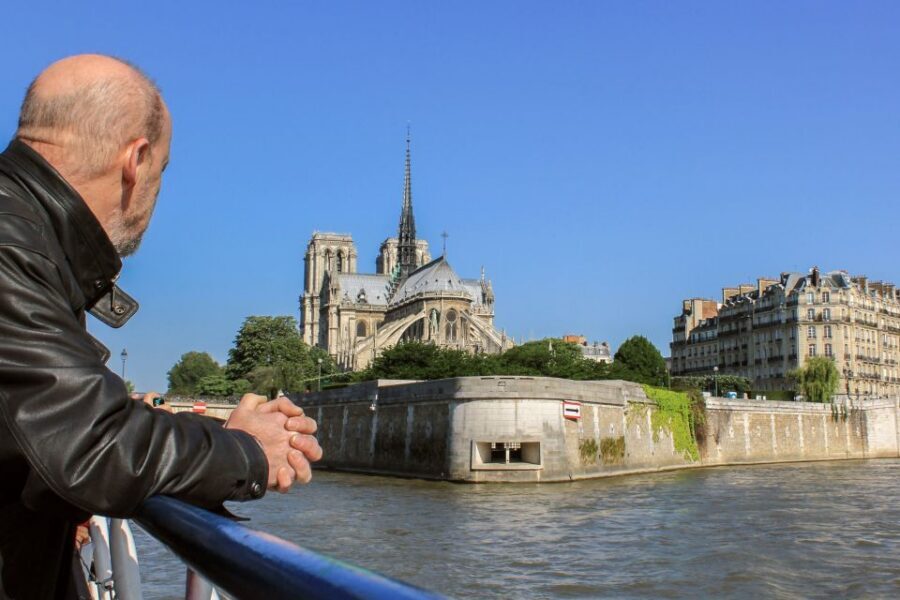
From the Seine portion, you’ll have photo chances with better angles than most walking routes. Landmarks like Notre-Dame, the Tuileries Garden, and Pont des Arts show well because the camera catches both the building shapes and the river’s surface lines.
From the canal portion, photography shifts. You’ll be shooting chestnut-lined banks, bridges, and narrow-water reflections more than you’ll be chasing skyline icons. It’s the kind of variety that makes the cruise feel like more than one sightseeing stop.
You can also move around the boat for pictures, which helps if you want different angles without waiting for a perfect moment at the rail.
Price and Value: Why $27 Feels Like a Smart Half-Day Deal
At about $27 per person for a 2.5-hour live-guided cruise, this is one of those Paris purchases that can feel like good money management.
Here’s why it’s good value, not just cheap:
- You get a long canal route with Seine sightseeing rather than a short novelty ride.
- The experience includes tunnel time and locks, which are the main reason this isn’t just another boat option.
- You receive French and English commentary, so it’s easier to connect landmarks and history to what you see.
Compared with doing only the main river, this adds a quieter, less touristy side of Paris without adding a full extra day of transit. And compared with a museum marathon, it’s a chance to sit down and let the city move past you.
Timing, Rain Plans, and How the Day Flows
This cruise runs rain or shine, which is huge in Paris when weather can change fast. It’s also offered with two departures: 10 am and 3 pm.
If you’re trying to avoid heat and heavy crowds, I’d lean toward the morning. You’ll also have an easier time fitting it into a day that includes museums in the afternoon.
Don’t overpack the day with walking right before you go. Even with the seats and slow pace, locks and tunnels make the time feel engaging. Give yourself room to breathe afterward, especially if you’ll need transport back from the Parc de la Villette area.
Comfort Tips That Actually Matter on This Route
Small comfort choices can make the cruise better.
- Bring water. On hot days, you may find that the only onboard refreshment offered is minimal.
- Consider a snack if you’re the type to get hungry after a few hours.
- Wear shoes you’re comfortable in for the port approach, since access involves stairs.
- If you’re sensitive to confined spaces, the long tunnel is the moment to mentally prepare for.
Also, it’s not suitable for wheelchair users, so accessibility planning matters if you or someone in your group needs it.
Who This Cruise Fits Best (and Who Might Skip It)
This is a great fit if you:
- want Seine landmarks without a long walk between them,
- love the idea of canal life and canal engineering,
- want something calmer than the big Seine tourist scene,
- travel with kids who enjoy “secret under the city” moments.
You might skip it if you:
- only care about the very most famous monuments and don’t want to travel farther north after,
- dislike cruises that involve waiting for locks and the pacing they bring,
- have accessibility needs that can’t be met on a non-wheelchair-friendly boat.
Should You Book This Seine and Canal Saint-Martin Cruise?
I think you should book this if you want a half-day Paris experience that mixes postcard sights with something specific and unusual: tunnel + locks + Canal Saint-Martin. The guided commentary in English and French, plus the way the route changes from grand river to calmer canal, is what makes it feel worth it at the price.
But book with eyes open on one point: the cruise finishes near Parc de la Villette, so plan your return to central Paris before you go. If you do that, this becomes a smart, relaxing way to see more of the city without spending the whole day on foot.
If you’re flexible, the option to reserve now and pay later can be a nice cushion, and free cancellation up to 24 hours in advance helps if Paris weather forces you to adjust.
FAQ
How long is the cruise?
The cruise lasts about 2.5 hours.
What time departures are available?
There are two possible departures: 10 am and 3 pm (availability varies by date).
Where do I meet the boat?
The boat is moored at the Port of Solférino, just below the Musée d’Orsay, and you reach it via the wooden main staircase.
Does the cruise go on the Seine and the Canal Saint-Martin?
Yes. It includes time on the Seine River and then continues into the Canal Saint-Martin system.
What languages are offered for the commentary?
The cruise includes live guide commentary in English and French.
Is the cruise available in bad weather?
The cruise runs rain or shine.
Is this cruise wheelchair accessible?
No. It is not suitable for wheelchair users.